


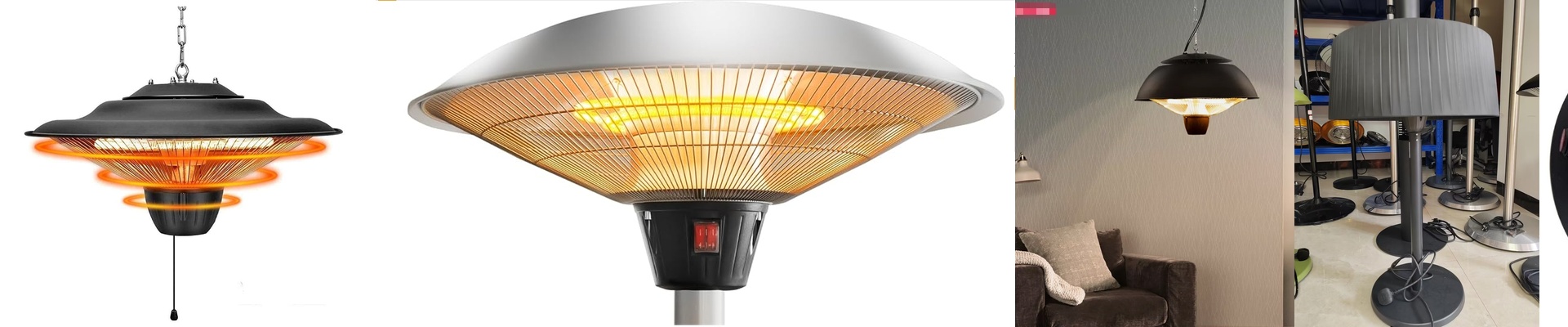


Why we put our bathroom lamps through “the torture chamber”
Let’s be honest: bathrooms are a nightmare for electronics. You’ve got thick steam, wild temperature swings, and constant moisture clinging to everything. If we just built these infrared lamps and hoped for the best, they’d burn out in a heartbeat. That’s why we use damp-heat aging tests. Basically, we put them in a specialized chamber that mimics years of steamy showers, but we cram it all into a few weeks. It’s the only way to know if they’ll actually last in your home.
The battle against moisture
Here is the real problem. Most of these heaters use a tungsten filament inside a quartz tube. The glass itself is fine, but the seals—where the metal electrodes meet the quartz—are the weak spot. When your bathroom gets foggy, water vapor sneaks into those seals. Once that moisture hits a glowing hot filament? It’s game over. The metal oxidizes, thins out, and eventually just snaps. We push our lamps through these humidity cycles specifically to see if those seals hold. If they leak, we find out in our lab, not in your ceiling.
The “breathing” effect
Waterproofing isn’t as simple as slapping a rubber gasket on something. You have to think about how materials move. When you flip the switch on a shortwave lamp, the temperature spikes hundreds of degrees in a split second. The quartz expands faster than the metal caps. It creates this “breathing” effect, where the lamp practically sucks moist air right into the housing. If a lamp fails our test, we don’t just ignore it. We go back to the drawing board—maybe we redesign the crimp or swap out the sealant for something tougher.
Finding the sweet spot
You might wonder, “Why not just wrap the whole thing in plastic?” Well, these things get incredibly hot. If you seal them too tightly, you’ll trap all that heat inside, melt the housing, or fry the wiring. It’s a delicate balance. We have to make sure the lamp is protected from the steam, but still has enough airflow to breathe. If the ventilation doesn’t match the wattage, the whole fixture will just cook itself from the inside out. It’s all about getting that balance just right.