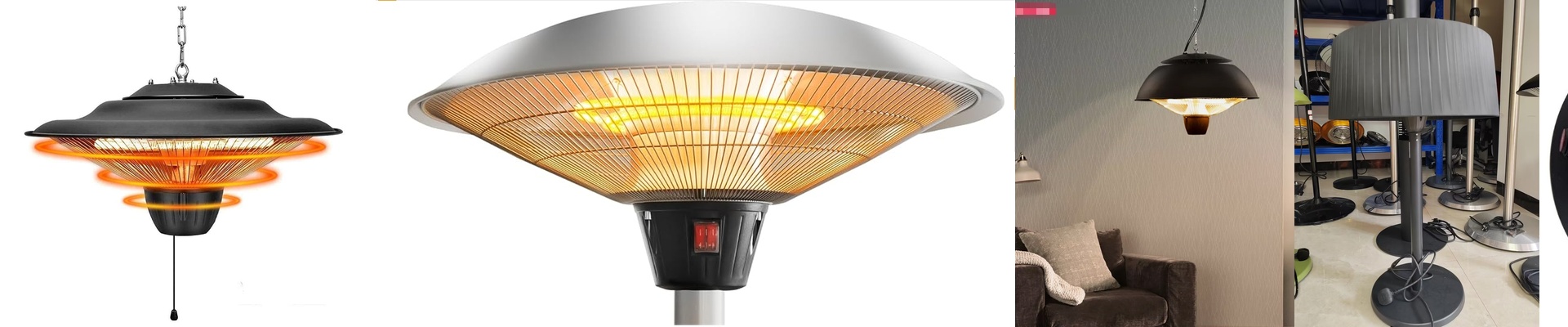


Stop Guessing With Your Infrared Lamps
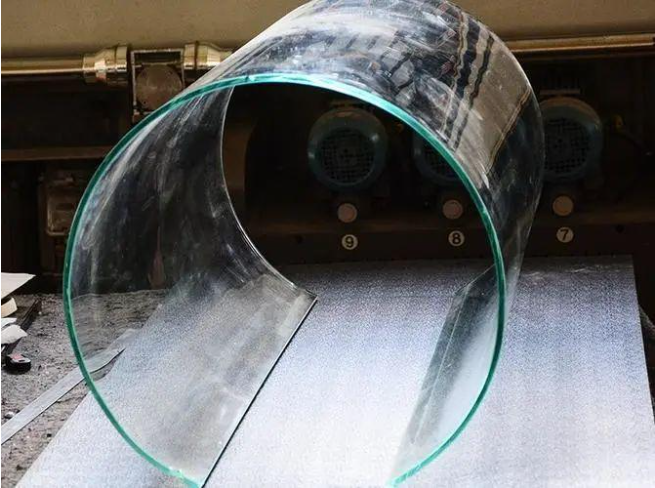
Buying a short wave quartz lamp based on a datasheet is basically a gamble. You look at the wattage, the voltage, and the length—and sure, the numbers match—but those digits don’t tell you how the heat actually hits your parts. That’s why we’d rather just send one of our engineers to your floor. We want to see it in action. A “drop-in replacement” sounds great on paper, but if the thermal footprint isn’t a perfect match for your specific job, it’s probably going to fail. The trade-off between power and heat Here’s the thing: short wave lamps have to get incredibly hot to push that emission spectrum toward shorter wavelengths. That’s the magic that lets the heat soak deep into PET plastics or industrial coatings instead of just scorching the surface. But there’s a catch. If you jump to a 400V high-wattage tube just to shave a few seconds off your cycle time, you’re cranking up the heat density. If your cooling fans and housing aren’t up for the task, you’ll end up frying your lamp sockets. Not a great way to start the shift. What’s actually inside the glass We use high-purity quartz because it can take the punch of rapid heating and cooling without cracking. Most of our tubes also use a halogen cycle. Think of it as a cleaning crew; the gas stops the tungsten filament from evaporating and sticking to the glass. This keeps the tube clear and the output steady for thousands of hours. Depending on what you’re drying or curing, we might suggest a coated tube. Sometimes you need to bounce the heat back toward the target, or filter out specific wavelengths to keep things precise. The “little things” that cause big headaches Then there’s the fit. Whether you’re using an R7s, Sk15, or something custom, the connector is what keeps things steady during vibration and thermal expansion. A loose fit is a disaster. It leads to arcing. When we come on-site, we check your wiring and brackets to make sure the lamp sits dead-center in the reflector. It sounds minor, but if your alignment is off by just a few millimeters, you’re wasting a huge chunk of your energy by heating up the machine frame instead of your product.