


A basement that sits damp and cold isn’t just uncomfortable. It quietly drives up energy bills, feeds mildew, and makes the space feel unusable. Forced-air systems warm the air, but in a humid, below-grade room they usually miss the mark. A low-power wall-mounted infrared heater changes how comfort happens.
What matters, technically
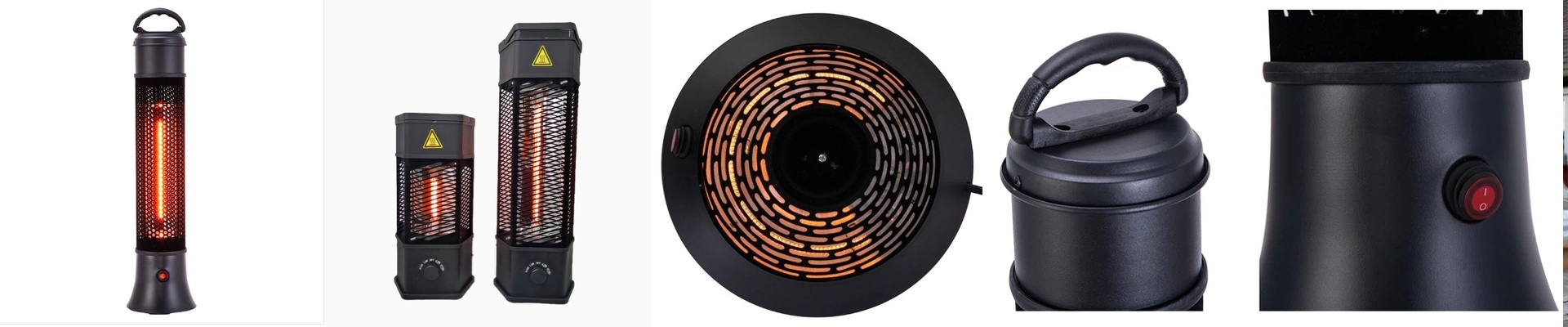
We lean on short-wave infrared that radiates directly onto people and surfaces—not the air. A carbon fiber element comes up to temperature in seconds, delivering targeted warmth with low power draw: typically 800–1500W on 120V, so it runs off a standard outlet. The payoff is immediate radiant heat, like standing in a patch of sun, without the air movement that stirs dust or dries out a room.
Why it works in a basement
Infrared warmth hits the real problem in below-grade spaces. Because it warms floors, walls, and objects, you feel cozy faster—even when the air is still. At the same time, that direct heating helps keep surfaces above the dew point, which cuts down on condensation and the musty smell that follows. You end up with usable square footage again: steady, quiet heat that makes the room feel dry and welcoming.
What to keep in mind
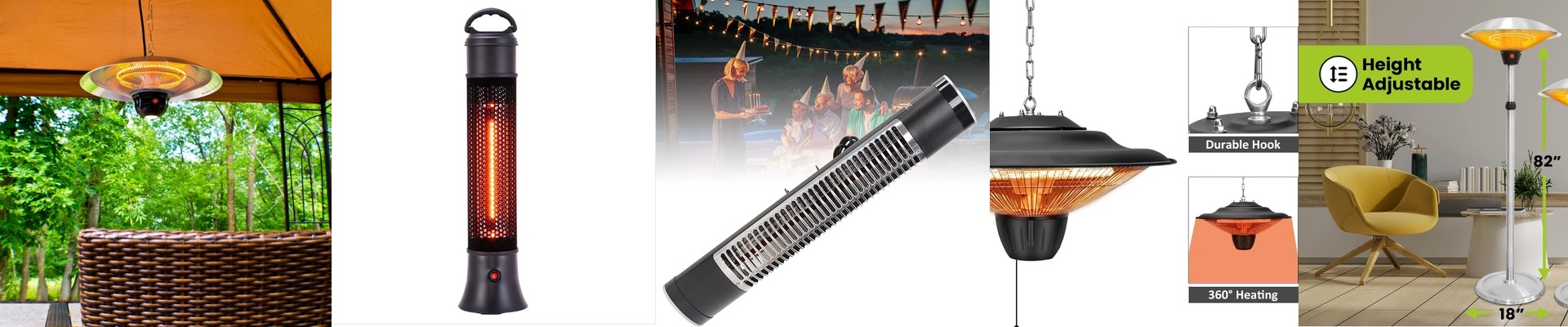
Installation is straightforward. Mount the unit high on a wall so the warmth spreads downward, and keep it clear of obstructions. These heaters are built for indoor, dry locations; if your basement is damp, pick a model with a suitable IP rating and follow the wiring requirements. For best results, pair it with good ventilation or a dehumidifier. The result is simple: a drier, warmer basement that stays comfortable, uses less energy, and doesn’t cycle between hot and cold.