

Stop the Chipping: A Better Way to Cut Glass
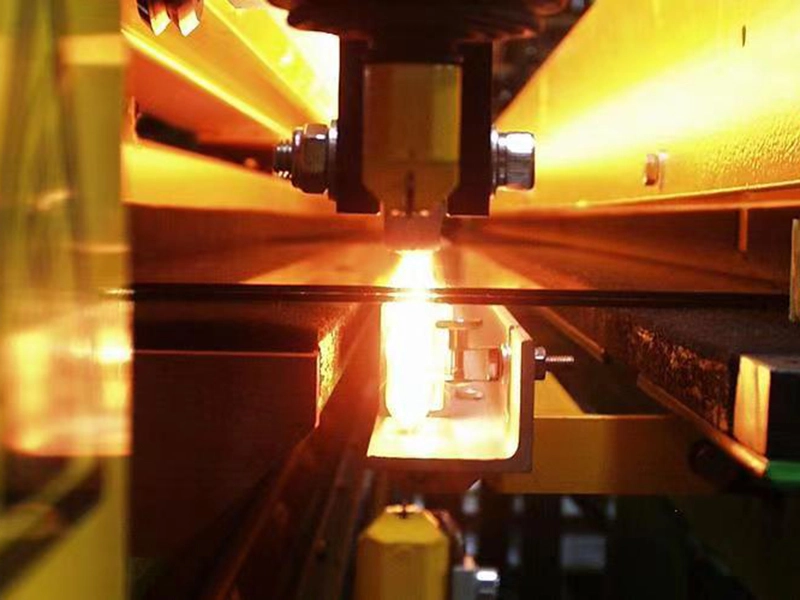
Cutting cold glass is a headache. You’ve probably seen it—that erratic cracking that happens the moment the diamond tool hits the surface. One minute everything looks fine, and the next, you’ve got “corner breakout” or jagged edges that ruin the whole piece. It’s frustrating, and it wastes a lot of material. The secret to fixing this is simple: stop cutting it cold. We use infrared (IR) preheating to change how the glass behaves before the blade even touches it. Why heat it up? Think of it as relaxing the glass. When you warm up the substrate, you’re basically easing the internal tension. This makes the score line stay clean and the break stay straight. No more wild cracks. We stick with short-wave IR lamps because they’re fast. They punch right into the glass surface without turning your entire machine frame into an oven. The “Gold” Trick Now, here’s the thing about IR lamps: they’re kind of wasteful. They throw heat in every direction—360 degrees. If you just leave them as-is, you’re losing half your energy to the air. To fix that, we put gold-coated reflector plates behind the tubes. Why gold? Because it bounces infrared heat way better than aluminum or stainless steel. The gold plate catches that rear-facing heat and shoves it back toward the glass. This gives you a much more even temperature across the whole sheet. Plus, it saves your equipment. Without those reflectors, you’d have to crank the wattage to hit your target temp, and that just burns out your filaments faster. A few things to watch out for It sounds perfect, but there are some trade-offs. More heat means you get up to temperature faster, but it puts more pressure on your cooling system. You also have to be careful with alignment. If those gold reflectors are even slightly off, you’ll get “hot spots.” Those spikes in temperature cause the glass to expand unevenly, which completely defeats the point of preheating. My advice? Give your reflector alignment a quick check every 500 hours. It takes a minute, but it keeps your heat distribution flat and your edges smooth.