On the glass line, heat isn’t just temperature. It’s timing, uniformity, and control—every time.
유리 생산 라인에서 열은 단순한 온도가 아니다. 이는 타이밍, 균일성, 그리고 제어를 의미하며, 항상 일정해야 한다.
A thermal profile that’s off in bending or tempering shows up fast: optical distortion, edge stress, and more breakage. In coating drying and lamination, heating that’s slow or uneven drags out cycle time and pushes resin right past its cure window. We build IR heating to fit the process, not the other way around.
벤딩이나 템퍼링 공정에서 열 프로파일이 맞지 않으면 광학적 왜곡, 모서리 응력, 파손 증가로 빠르게 드러난다. 코팅 건조나 라미네이션에서는 가열이 느리거나 불균일하면 사이클 시간이 늘어나고 수지가 경화 창을 지나치게 된다. 우리는 공정에 맞게 IR 가열 시스템을 설계하며, 반대로 하지 않는다.
What matters, technically
기술적으로 중요한 요소
Our IR line covers short-wave quartz, medium-wave ceramic, and fast-response halogen elements, so you can match emissivity and absorption across clear, tinted, coated, and laminated glass. Spectral output is targeted to put energy where the glass absorbs it most, so you don’t waste heat on fixtures and belts.
당사의 IR 라인은 단파장 쿼츠, 중파장 세라믹, 고속 응답 할로겐 소자를 포함하여 투명, 착색, 코팅, 라미네이트 유리의 방사율 및 흡수율에 맞춰 선택할 수 있다. 스펙트럼 출력은 유리가 에너지를 가장 많이 흡수하는 파장에 집중되어 있어 설비나 컨베이어 벨트에 열 손실이 발생하지 않는다.
Elements run on standard industrial voltages, fit tight zones, and are engineered for high power density without hot spots. We call out watt density, response time, and temperature tolerance so the lamp behaves predictably at line speed—stable output, hour after hour.
소자는 표준 산업 전압으로 동작하며 좁은 구역에 장착 가능하고, 핫스팟 없이 높은 전력 밀도를 구현하도록 설계되었다. 와트 밀도, 응답 시간, 온도 허용치를 명시하여 라인 속도에서 램프가 안정적으로 작동하도록 한다. 시간당 출력의 안정성이 보장된다.
Why it plays in glass
유리 공정에서 중요한 이유
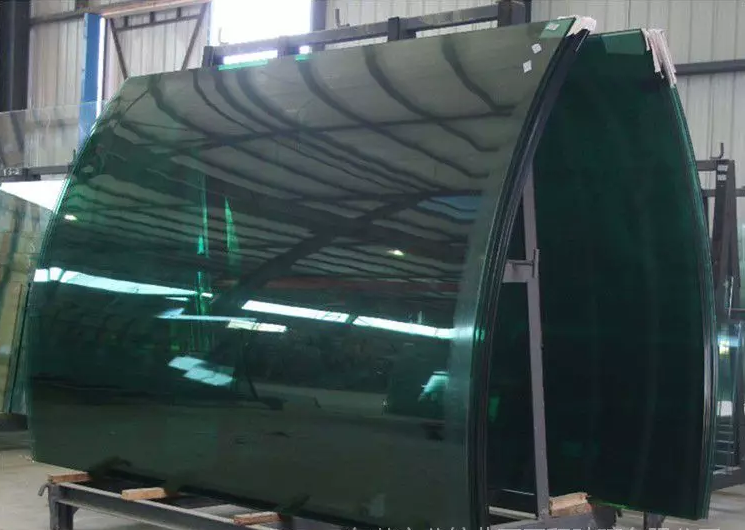
In bending, a uniform thermal field cuts thermal stress and keeps shape repeatable. In tempering, rapid heating supports the quench window, improving fragmentation and edge strength.
벤딩 공정에서는 균일한 열 분포가 열응력을 줄이고 형상 반복성을 유지한다. 템퍼링에서는 빠른 가열이 담금질 시간을 맞추어 파쇄 구조와 모서리 강도를 향상시킨다.
In coating drying, controlled IR energy drives solvent out without blistering the film. In EVA/SGP/PVB lamination, fast, even heating shortens dwell and keeps the interlayer bond tight. For insulating glass, uniform preheat improves adhesive flow and corner seal integrity. The payoff: fewer rejects, stable cycles, and lower kWh per square meter.
코팅 건조에서는 제어된 IR 에너지가 필름의 기포 없이 용제를 제거한다. EVA/SGP/PVB 라미네이션에서는 빠르고 균일한 가열로 체류 시간을 단축하고 중간층 결합을 견고하게 유지한다. 단열 유리에서는 균일한 예열이 접착제 흐름과 모서리 실링 밀착성을 향상시킨다. 결과적으로 불량률 감소, 사이클 안정화, 평방미터당 전력 소비 절감 효과를 얻는다.
The things you learn the hard way
현장에서 경험으로 배우는 사항
IR heating is line-of-sight, so lamp layout, reflector geometry, and glass spacing matter. Dust and vapor coat elements and shift output—clean on schedule and manage airflow.
IR 가열은 직시선 방식이므로 램프 배치, 반사판 형상, 유리 간격이 중요하다. 먼지와 증기가 소자에 코팅되어 출력 변화를 유발하므로 정기적인 세척과 공기 흐름 관리가 필요하다.
Temperature feedback has to be tied to the glass surface, not just the housing. Control gets tight when the lamp, the control strategy, and the conveyor are tuned as one system.
온도 피드백은 하우징이 아니라 유리 표면에 직접 연결되어야 한다. 램프, 제어 전략, 컨베이어가 하나의 시스템으로 조율될 때 제어 정밀도가 향상된다.