
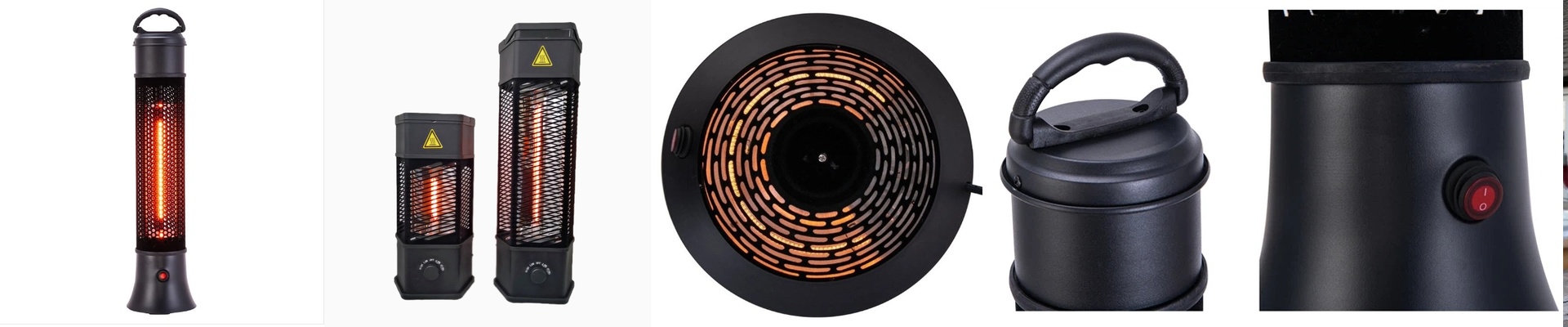



Why we put our bathroom heaters through a “torture test”
If you’re putting an infrared heater on a nightclub patio or in a steamy bathroom, you’re basically asking it to live in a swamp. Constant moisture, wild temperature swings—it’s a brutal environment. Now, most companies will just point to an IP rating on a spec sheet and tell you it’s “certified.” We don’t really buy that. Instead, we take every batch and put them through damp-heat aging tests. We want to find exactly where the seals give up before the units ever leave our warehouse. The problem with steam Here’s the thing about humidity: water vapor is sneaky. It finds the tiniest gaps in the housing. Once that moisture hits the high-voltage terminals, you get arcing. In a bathroom, that’s not just a broken heater—it’s a genuine safety risk. To stop this, we run cyclic tests. We swing the lamps from freezing damp to blistering heat over and over. This forces the materials to expand and contract. If a seal is going to leak, we want it to happen in our lab, not in your client’s ceiling. Fighting the rust The quartz tubes we use for shortwave heating get incredibly hot. When you mix that kind of heat with damp air, oxidation happens fast. We spend a lot of time obsessing over the connection between the lamp filament and the connector. If that spot corrodes, resistance goes up. That spikes the heat at the terminal, which can actually melt the wiring. It’s a small detail, but it’s the difference between a lamp that lasts years and one that burns out in a month. The balancing act Waterproofing is a bit of a double-edged sword. If we seal the unit too tightly to keep the steam out, the internal electronics can’t breathe. They basically cook themselves. It’s a balancing act. We tweak the gasket compression and where the vents go so the unit stays dry but doesn’t overheat. As long as your electrical install follows the load specs so you don’t overload the circuit, you’ve got a heater that can actually handle a steam-filled room.