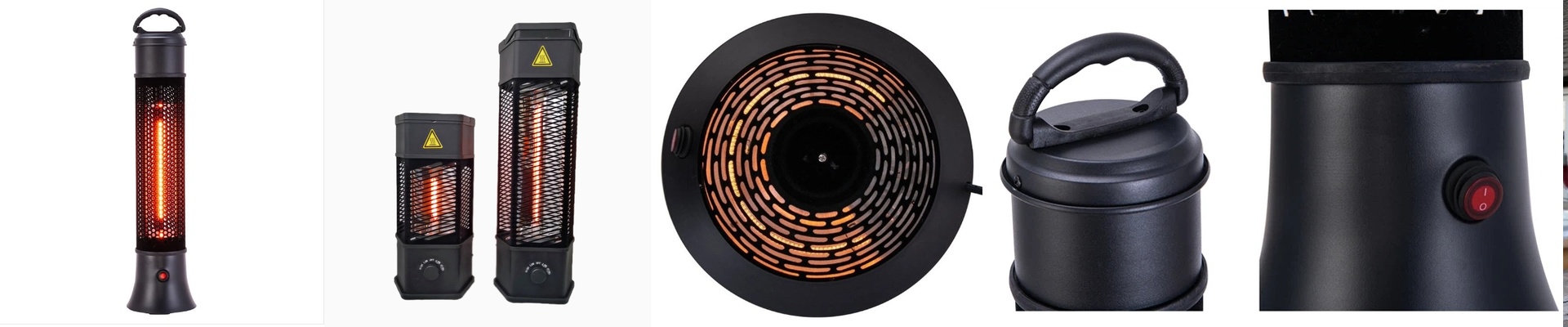


Getting the Heat Right: A Simple Guide to Bathroom Infrared Heaters
When you’re picking out a waterproof infrared heater, it’s tempting to just go for the biggest number on the box. But here’s the thing: more power isn’t always better. It’s really about finding the sweet spot for the size of your room so you aren’t throwing money away on electricity or shivering in a cold bathroom.
The trick with volume and power
Infrared is different because it doesn’t actually heat the air—it heats you. If you’re dealing with a tiny powder room (under 4m²), a 250W to 400W lamp is plenty. It keeps your skin warm without turning the room into a sauna. If you slap a 600W or 800W lamp in a space that small, the thermostat will kick off almost immediately. Then it clicks back on. Then off again. That “short-cycling” is a nightmare—it wears out the parts and makes your power bill jump. For those big master baths (8m² to 12m²), you’ll want something beefier. We usually suggest 600W or more, or maybe a few smaller lamps spread out. You want that cozy, consistent feeling of warmth everywhere you step.
Dealing with steam and safety
Bathrooms are honestly pretty brutal for electronics. All that moisture wants to get inside and ruin everything. That’s why we use sealed quartz glass and IP-rated housings. It keeps the water out of the electrical terminals. If moisture leaks in, you’re looking at a short circuit or a dead filament, and nobody wants to deal with that. But you have to be careful with how much power you cram into one spot. High-wattage lamps getintense. If the fixture is too low or the housing is too small, you could actually scorch your ceiling or trip your breakers. It’s all about balance.
The trade-offs
Sure, higher wattage means you feel the heat faster. That’s the win. The downside? The load on your wiring. If you’re updating an old bathroom with thin, aging wires, running three 800W lamps might be too much for the circuit to handle. Check your amperage limits before you start wiring everything up. In the end, sticking to the lowest wattage that actually does the job keeps your system stable and your costs down. Simple as that.