


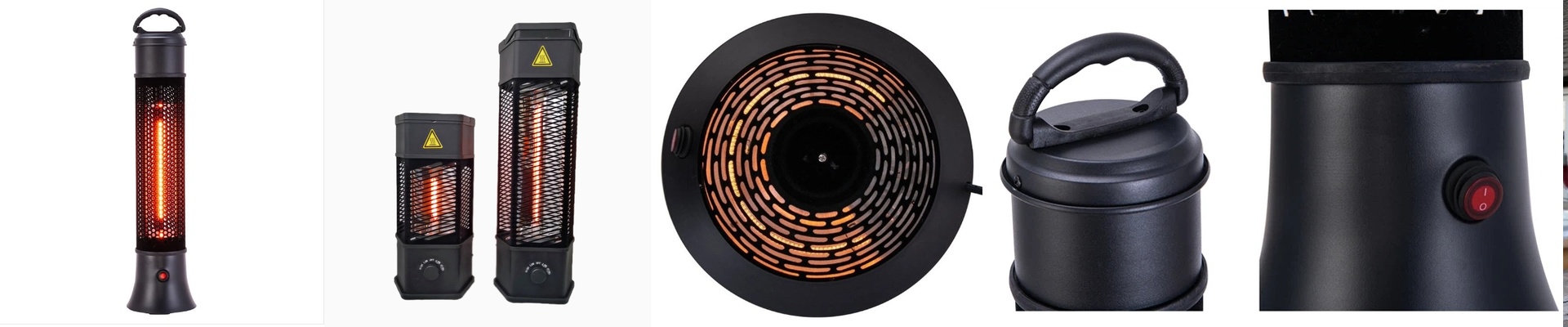


Why Your Bathroom Heater Needs Explosion-Proof Quartz
If you’ve ever wondered why some bathroom heaters just… pop… it usually comes down to one thing: thermal shock. Imagine a quartz tube glowing at 800°C. Now imagine a single, cold drop of water landing right on it. That sudden temperature drop makes the glass contract instantly in one tiny spot. The result? It shatters. That’s why we don’t use standard glass. We use explosion-proof quartz. Keeping things together Now, quartz is already pretty tough, but it has its limits. In a steamy shower, the temperature swings are just too violent for the basic stuff. We fix this by tweaking the quartz mix or adding a special coating. It basically gives the tube a “shield” so it doesn’t freak out when it gets wet. It’s a huge deal because once a tube cracks, humidity gets straight to the heating element. And as we all know, water and electricity are a nightmare combo. The safety side of things Building a waterproof heater isn’t just about the tube, though. You’ve got to think about the seals. We pair these tubes with heavy-duty gaskets and sealed connectors to keep the steam away from the wires. Everything has to fit tight. If a seal slips, current can leak into the chassis, and that’s where things get dangerous. Think of the explosion-proof tube as your final line of defense. Even if something else fails, you aren’t dealing with shards of glass and live electricity spraying around a wet bathroom. The trade-off Here’s the honest truth: these tubes aren’t magic. Those protective coatings can slightly change how the infrared heat comes off. You might notice the heat isn’t quite as “sharp” or intense as a clear industrial tube. But honestly? That’s a trade I’ll make every single time. I’d rather have a tiny bit less heat than a shattered lamp. Just make sure your wiring can handle the peak amperage so your junctions don’t start overheating.