

Why your bathroom needs more than just a “warm light”
Most people see those bathroom heat lamps and think, “Cool, I won’t freeze when I step out of the shower.” But we look at them differently. We didn’t just build these to keep you warm; we built them to fight a war against moisture and mold.
How it actually works (without the textbook talk)
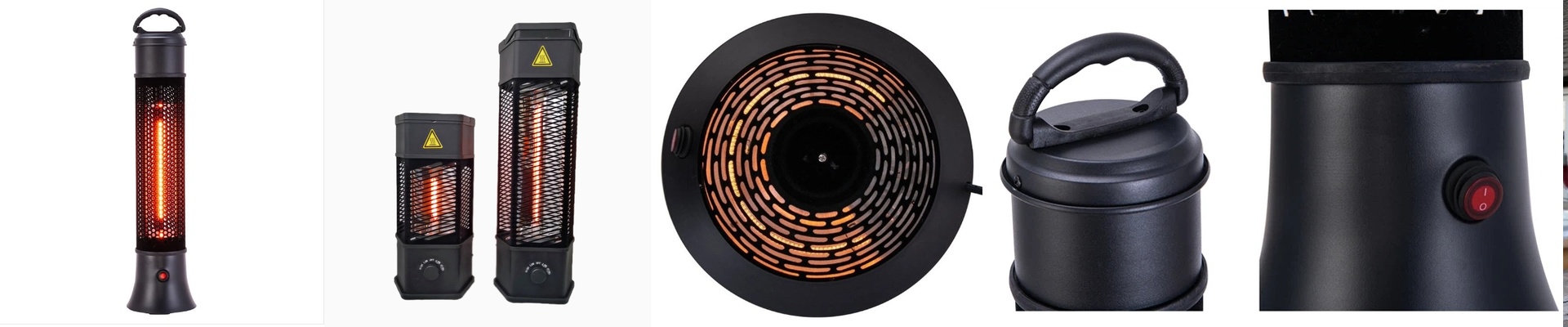
Here is the thing about most heaters: they just warm up the air. That’s fine, but it doesn’t do much for those damp, cold spots on your ceiling where mold loves to hang out. Our lamps use short-wave infrared. Instead of heating the air, the energy goes straight into your walls and tiles. It warms the actual surfaces. When your walls stay warm, the water evaporates way faster. It basically robs mold of the damp, chilly environment it needs to grow. It’s simple. Warm walls stay dry. Dry walls stay clean.
Dealing with water and electricity
We all know water and electricity are a terrible mix. That’s why we don’t mess around with the build quality. These units carry an IP44 rating. In plain English? It means they’re built to handle splashes from any direction. We use sealed gaskets and alloys that won’t rust or crumble just because the room is steamy. You can’t just put any random lamp near a shower. It’s dangerous. The IP44 spec is there so you can relax knowing the wiring is staying bone-dry.
The catch (and how to fix it)
I’ll be honest with you: infrared heat is directional. It’s like a flashlight; it hits whatever it’s pointed at. If you just slap the lamp in a random corner, you’re wasting your time. To actually kill the mold, you have to place the lamps where the dampness hits hardest. And just to be clear—this isn’t a magic wand. You still need a working exhaust fan. The lamp doesn’t replace your ventilation; it just does the heavy lifting that a fan can’t do on its own.