


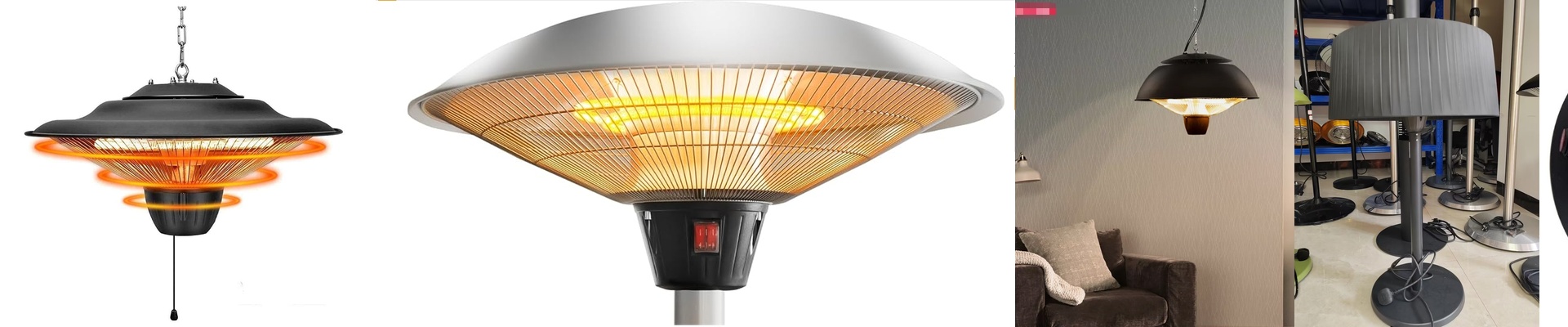


Why Most Outdoor Heaters Die at the Connection Point
Here is the honest truth about outdoor patio heaters: they almost always break in the same spot. When you’ve got a high-wattage infrared element fighting against damp air and humidity, that little seal where the lead wires connect is the only thing standing between you and a dead heater. If moisture sneaks in and hits those live terminals, it’s game over. You get carbonization, the insulation gives up, and then—pop—you’ve got a short circuit. The problem with the cheap stuff A lot of budget heaters just use basic silicone or some heat-shrink tubing. It looks fine on day one, but it can’t handle the “breathing” of an infrared lamp. Think about it. The lamp gets scorching hot, and the wire expands. Then it cools down and contracts. This constant shifting basically acts like a pump, sucking salt air and moisture right into the junction. Once that happens, the insulation burns out and your heater becomes a very expensive piece of scrap metal. How we do it differently We don’t believe in a single layer of glue and hoping for the best. Instead, we use a multi-stage process with high-temp ceramic potting compounds and fluorine-based gaskets. It sounds technical, but all it really means is that the seal stays strong even when the lamp is running at full blast. We also swapped out the usual PVC wires—which tend to crack and peel after one season—for fiberglass braided jackets with PTFE coatings. They don’t melt, they don’t get brittle, and they actually last. The balancing act Now, you might think “just seal it tighter!” But there’s a catch. If you seal a junction too tightly without using the right materials, you trap the heat inside. The wires can actually cook themselves from the inside out. We spend a lot of time balancing that tight seal with materials that actually let heat escape. It’s a delicate trade-off, but it’s the only way to keep the unit safe and long-lived. If you’re buying heaters for a coastal bar or a humid patio, do yourself a favor and ask about the seal rating. If the manufacturer can’t tell you exactly what they’re using to pot those lead wires, you’re probably looking at a dead unit within a year.