
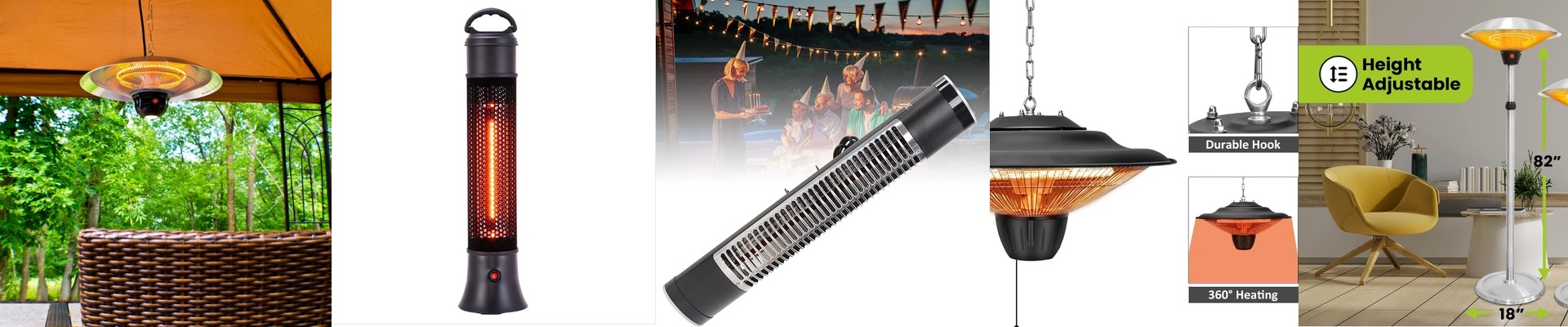

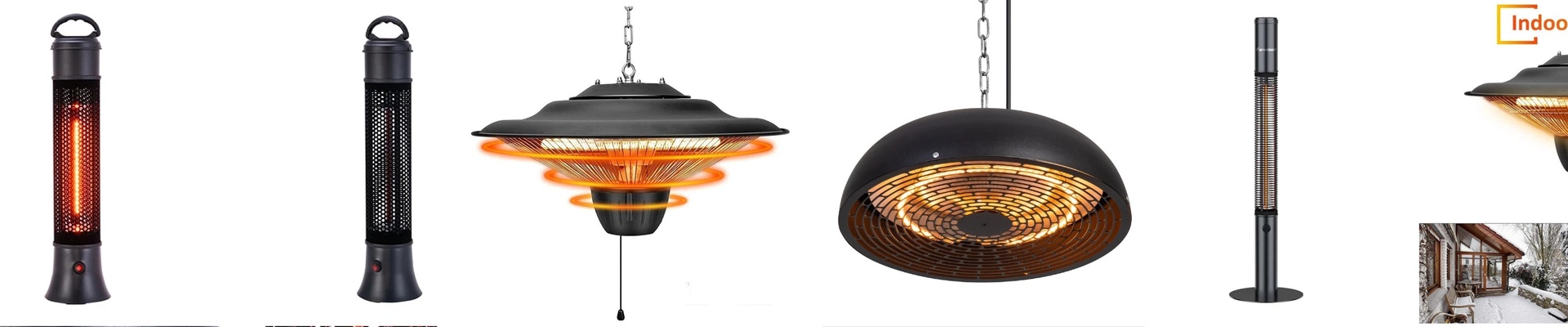
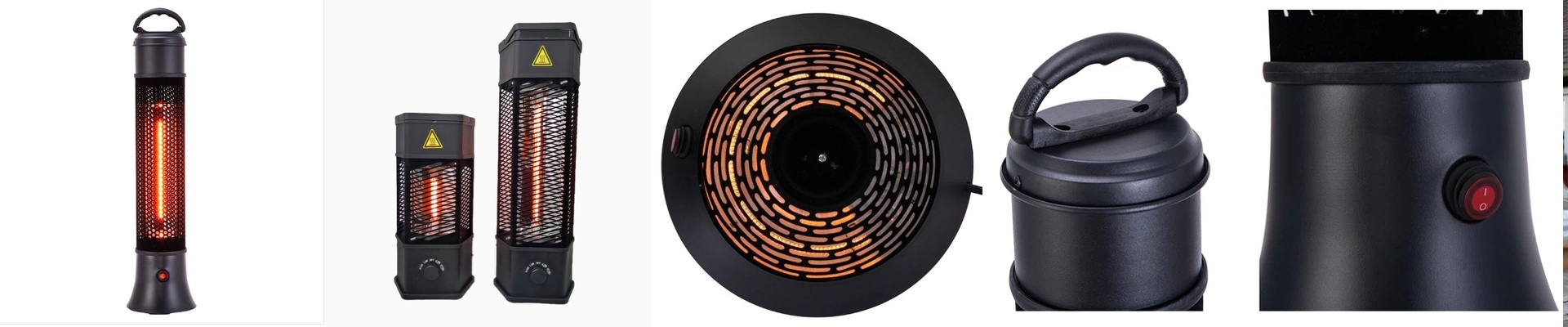
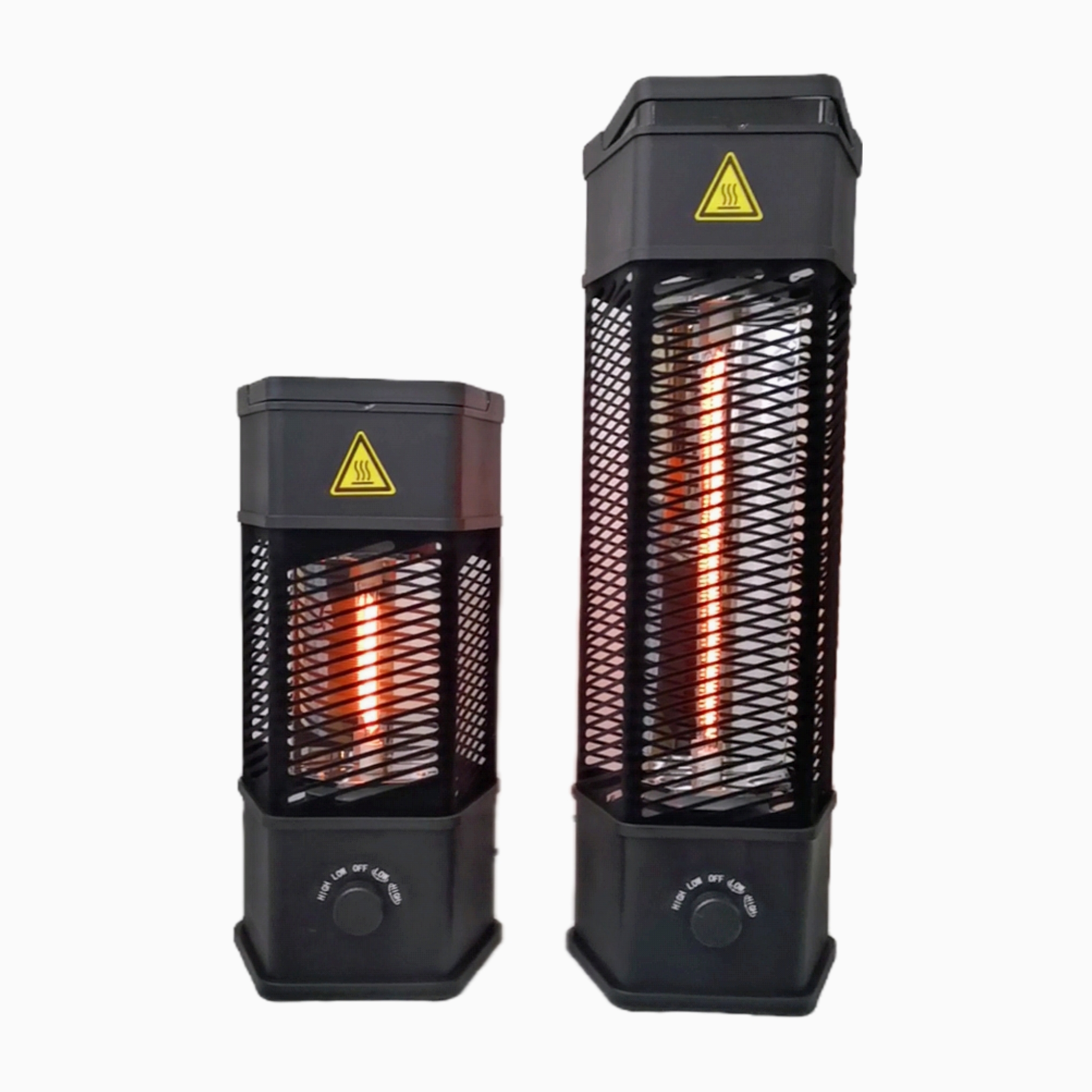
A warm bathroom comes down to one thing: getting the heat where it needs to be, when you need it. In a small half-bath, a 150W far infrared heater snaps warmth into the walls and floor fast—you step out of the shower into comfort, no waiting around. In a larger family bathroom, a 300W unit delivers deeper, more even coverage that carries across the room. Match the heater to the space, and you stop overspending on energy and stop waiting for the air to catch up. What matters technically Far infrared heaters run on a quartz element, putting out gentle radiant heat that warms people and surfaces directly, instead of wasting time heating the air first. That means less heat loss when the door opens, and a more stable feel overall. Sizing is straightforward: a 150W model typically covers up to 80 square feet, while a 300W unit handles up to 160 square feet. Wattage is your control knob—too low and the room feels cool, too high and you’re wasting power. For most installs, 120V hardwiring keeps things simple, and a basic thermostat keeps the temperature steady. Why this works in bathrooms Bathrooms are drafty, damp places. Comfort has to show up fast and stay consistent. Far infrared warmth hits the skin and nearby surfaces, so you feel warm almost immediately, even if the air hasn’t fully warmed. That direct heat also helps cut down on condensation on mirrors and tiles, which keeps the space feeling fresh and makes cleaning easier. Size the heater correctly for your square footage, and it cycles less, uses less electricity, and lasts longer—often 5,000+ hours with minimal output loss. Things to keep straight Match the heater to the circuit and stick to local electrical codes—most bathrooms need GFCI protection. Because radiant heat warms objects, the floor and walls can feel warmer than the air at first. That’s normal, and a thermostat helps even it out. Keep the heater clear of shower spray and towels, and mount it at a height that covers the main activity area. If you’ve got high ceilings, you may need to step up the wattage to account for the extra volume.