

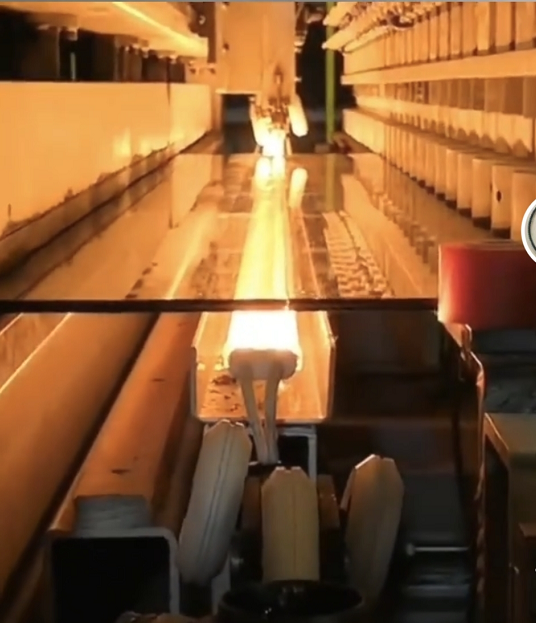
On the glass line, heat is more than temperature. It’s timing, control, and repeatability. When the coater or laminating press is running, inconsistent cure shows up as edge haze, bubbles, and adhesion that drifts. We built UV LED and IR glass curing modules to take that variability out, so you can run the same profile shift after shift without chasing defects. What matters, technically UV LED curing gives you a focused, narrow-band dose that polymerizes coatings and adhesives with a lower heat load. That cuts down on thermal stress and distortion. Infrared, tuned to match the glass emissivity, delivers rapid, volumetric heating that shortens dwell time. The modules are spec’d for 24/7 duty: controlled irradiance, uniform line profiles, and fast thermal response. Output holds within tight tolerances, and the system can be matched to existing line speeds and lane widths. Energy draw is lower than legacy broad-spectrum sources, and the footprint fits retrofits without reworking conveyor layouts. On tempering and bending lines, fast, controlled heating lets you hit tighter temperature windows without overshoot. That means fewer breaks and less rework. In EVA, SGP, and PVB lamination, UV LED cures the surface quickly, locking in bond quality. IR penetrates and drives the core cure evenly. The payoff: fewer voids, stronger edges, and consistent optical clarity. For insulating glass sealing, controlled heat reduces sealant stress and improves long-term durability. The result is higher throughput, fewer scrap sheets, and less downtime spent correcting temperature drift. Here are the practical details. Installation is straightforward on most lines, but alignment matters. Set the curing window so the beam profile covers the full glass width without edge fall-off, and position reflective shields to avoid hot spots. UV LEDs need clean optics and adequate cooling. Keep heatsinks and fans unobstructed. IR modules perform best when matched to glass thickness and emissivity—thicker or coated glass may need a different wavelength or power density. Plan a short validation run to lock in speed, dose, and temperature setpoints before you push into full production.