

Introduction
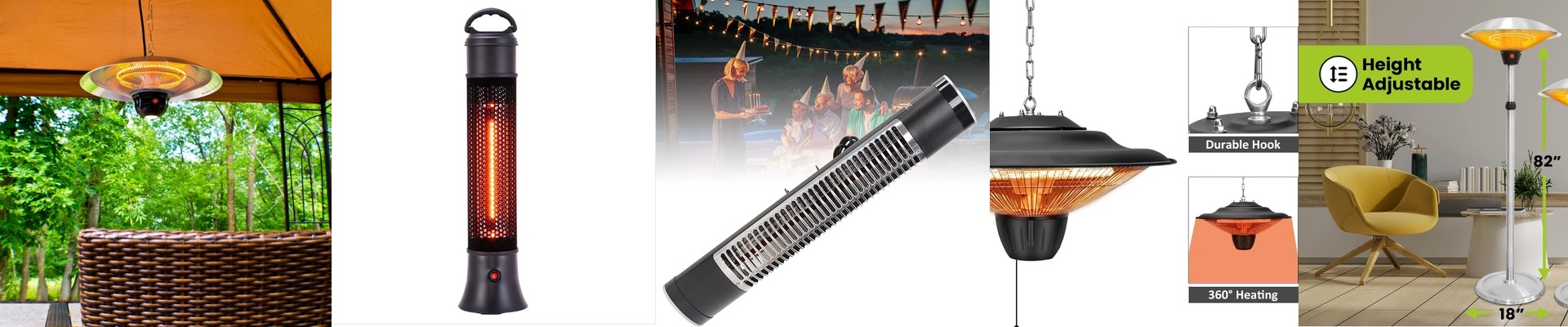
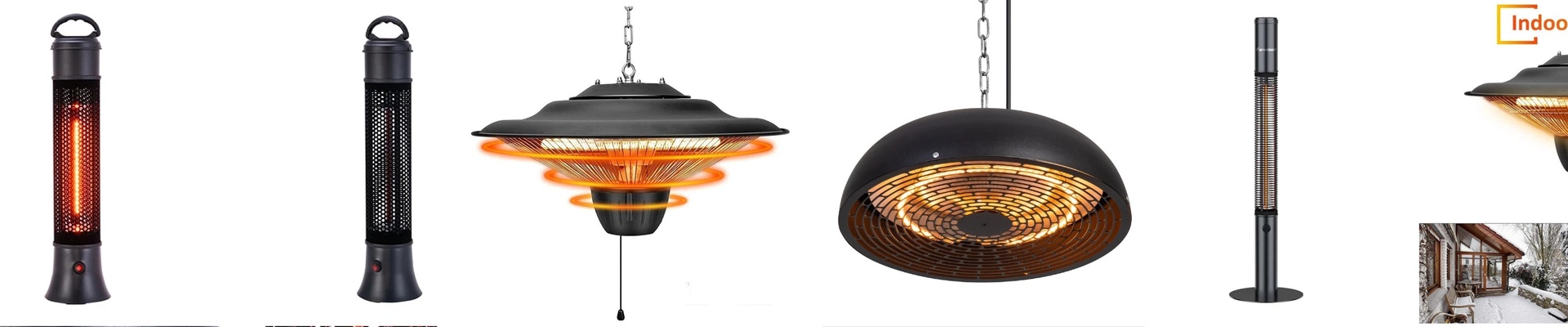
Picture this: You’re in a massive industrial plant, and heating a specific work cell or loading bay feels like trying to warm up a stadium with a single space heater. Totally impractical. That’s exactly why we built our WiFi space heaters. We designed them for those tough spots where you just can’t get local control, and where keeping things running without interruption is everything. They throw off direct, comforting radiant heat right where you need it—on work cells, at loading bays, inside equipment enclosures. And the best part? They slip right into the network you already have. That means you can set up zones, build schedules, and lock in safety limits from one simple dashboard. No more sending a guy across the plant to turn a dial.
The Inside Story
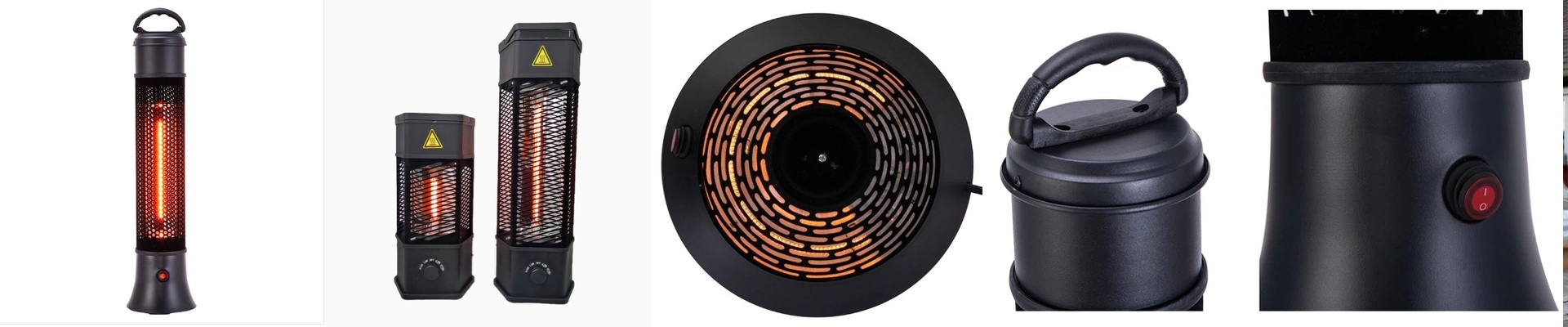
Let’s talk about what’s under the hood. These heaters are built for real life on the shop floor. We started with a heavy-duty, high-wattage electric element and wrapped it in a housing that can take the hits. The WiFi module is no slouch, either. It speaks the language of industrial protocols, so you get secure remote access. You can tweak the temperature from your desk, without having to dispatch a technician. Whether your plant runs on 240V or 480V, these units are stable. They draw the right current and put out the right amount of heat, perfectly matched to the demands of your space.
Smart Controls, Built-In Safety
Remote control is great, but it’s only useful if the hardware has a spine. So we baked in serious safety features. We’re talking over-temperature cutoffs, tip-over protection, and contactor-based switching to stop the contacts from chattering. On the software side, the firmware lets you set roles and permissions. You get a full audit log of every change, and you can schedule when the heaters run. That means you can lock things down so only authorized people make changes, while still letting the maintenance crew kick on a preheat cycle before the shift starts. Peace of mind, basically.
Where It Works (And What to Watch For)
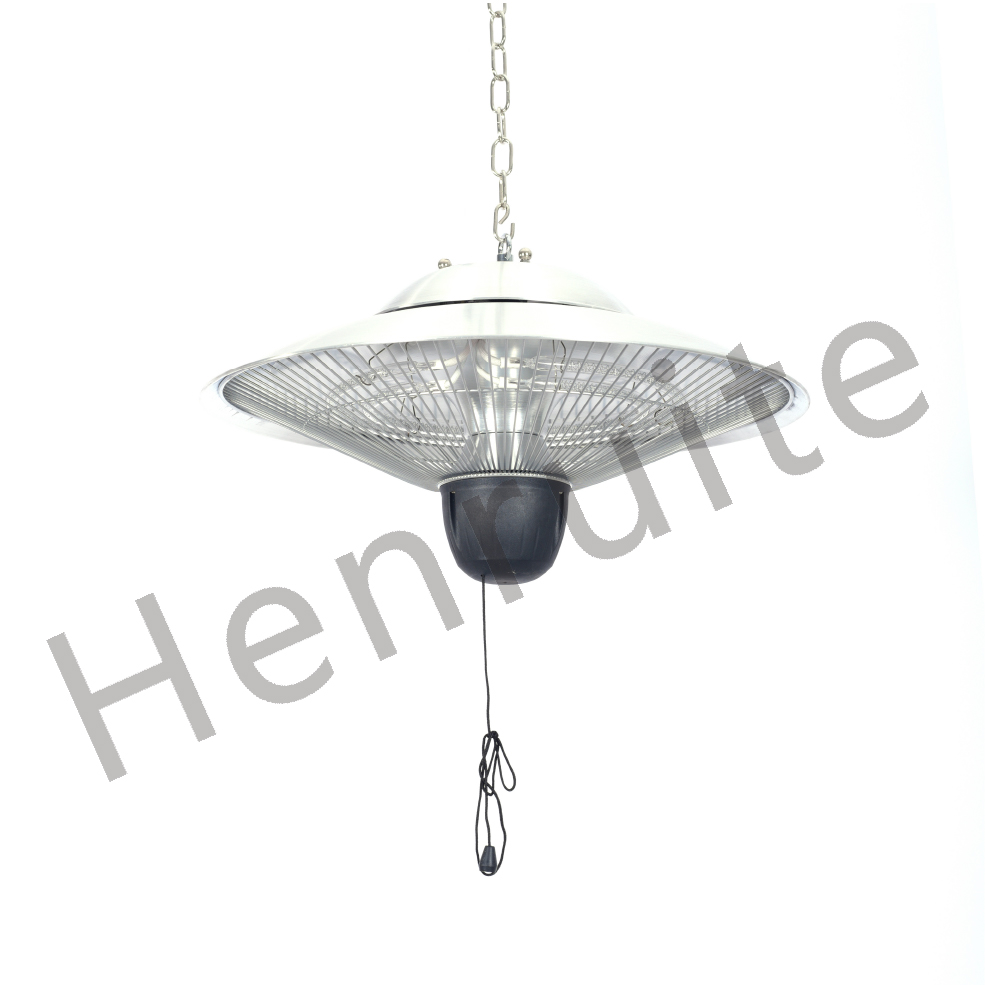
Here’s the reality check. These heaters are your go-to solution for spot heating in places like cold storage, along production lines, and in service areas where running gas lines is a nightmare. They’re designed to be a simple, drop-in heat source. But, and this is important, they deliver a lot of heat. That means you need to have your electrical infrastructure and ventilation sorted out beforehand. Plan your circuit loading and think about where that heat is going to go. If you don’t, you’re setting yourself up for nuisance trips and putting the unit under thermal stress. Get the groundwork right, and these heaters just work.