Keeping the Chill Out of the Bathroom
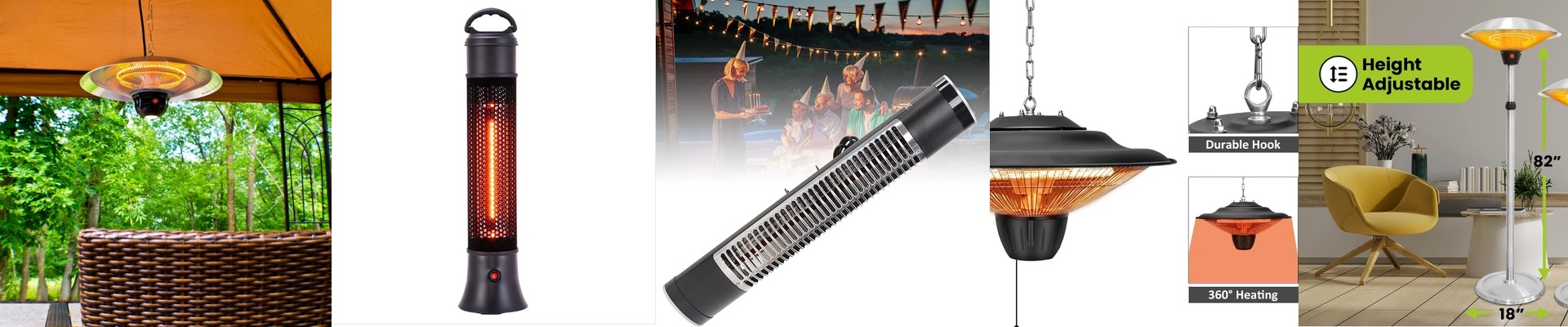
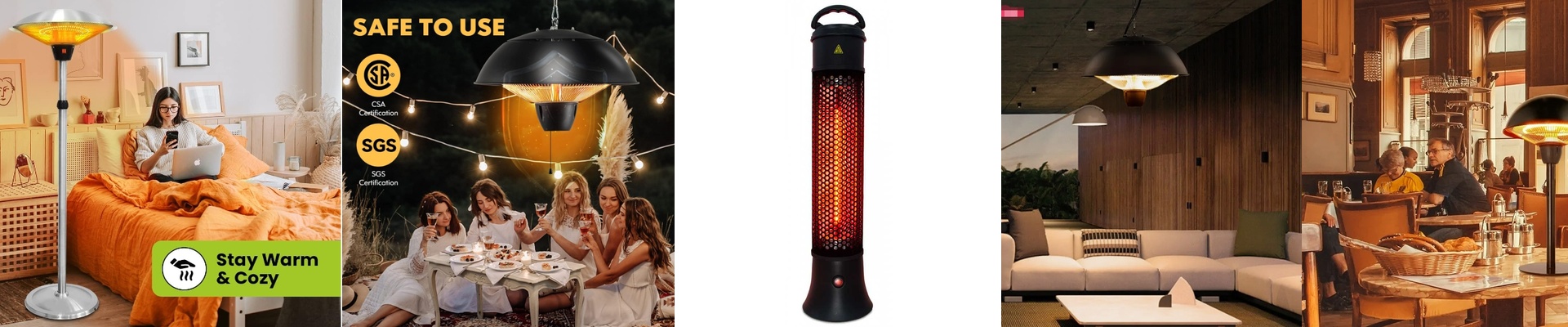
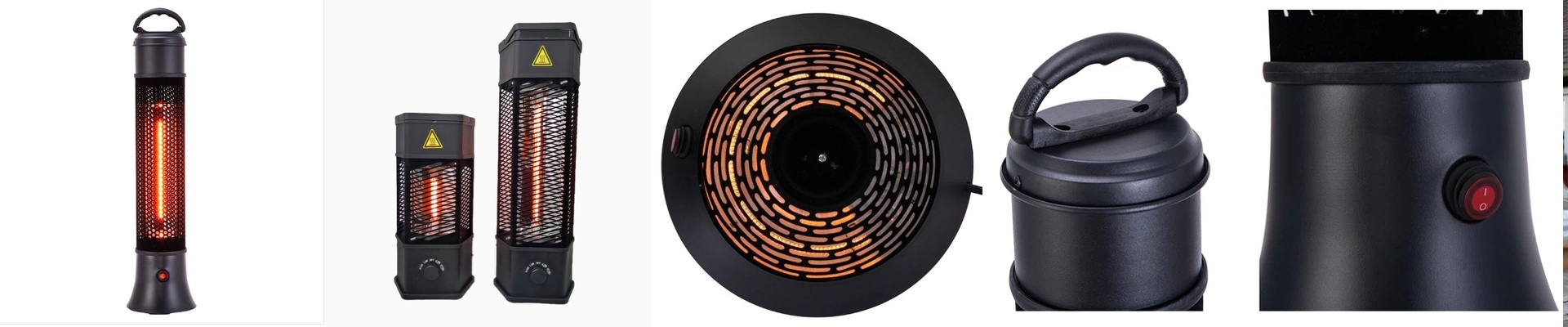
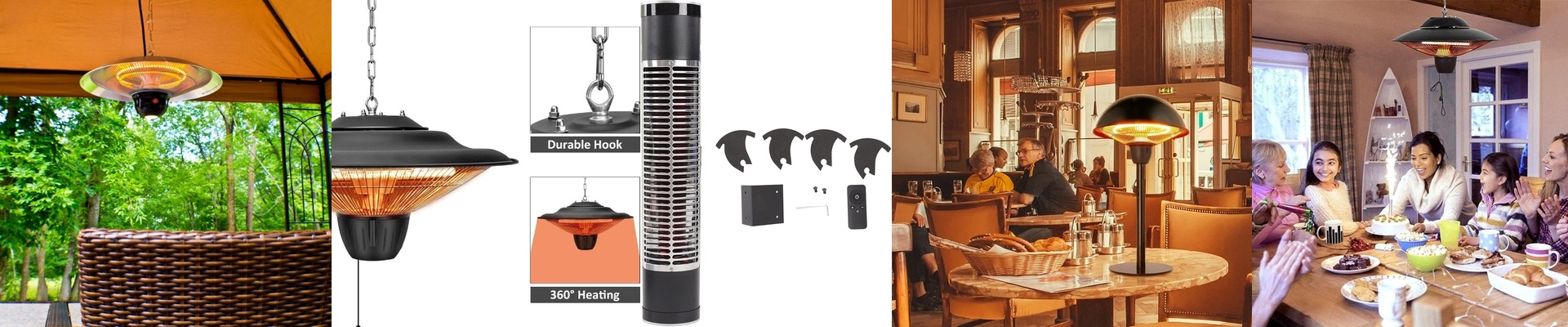
Ever stepped out of a hot shower into a freezing bathroom? It’s the worst. You try to warm the room up with a standard heater, but the heat just floats up to the ceiling or leaks out the door. It doesn’t actually make you feel warm. That’s why we stopped trying to heat the air and started using shortwave infrared. Instead of warming the room, these heaters beam heat directly onto your skin and the surfaces around you. It’s like stepping into a patch of sunlight on a cold day. You feel it the second you turn it on. Why this works We use quartz IR tubes because they don’t mess around. While an old-school oil radiator takes forever to get going, these hit their peak temperature in seconds. The quartz casing lets the heat slide right through without getting trapped. So, even if there’s a draft in the changing area, you’re still cozy. The tricky part Getting the hardware right is a bit of a balancing act. We usually go with halogen-filled tubes—they last longer and keep the heat consistent. But you have to be smart about where you put them. If the heater is too close, it’s uncomfortable (and you might ruin the mirror coating). Too far, and you lose that “instant” feeling. And since we’re talking about bathrooms, steam is the enemy. We use sealed connectors and moisture-rated boxes to make sure the wiring doesn’t rust or short out from all that humidity. Making it fit When we build these into mirrors, we keep them slim so they don’t stick out. We also angle the heat away from the glass. If the glass gets too hot too fast, it can crack, and nobody wants that. One last tip if you’re adding these to an older luxury space: check your electrical panel. IR tubes pull a lot of power the moment they kick in. If your wiring is too thin, you’ll be walking to the breaker box every time you want to get warm.