
Why your old bathroom heater keeps dying (and what to do about it)
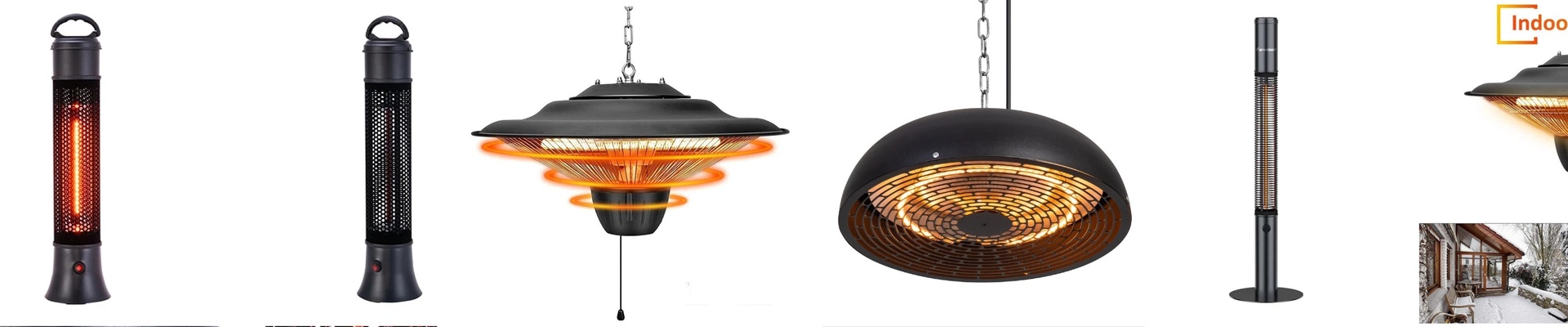
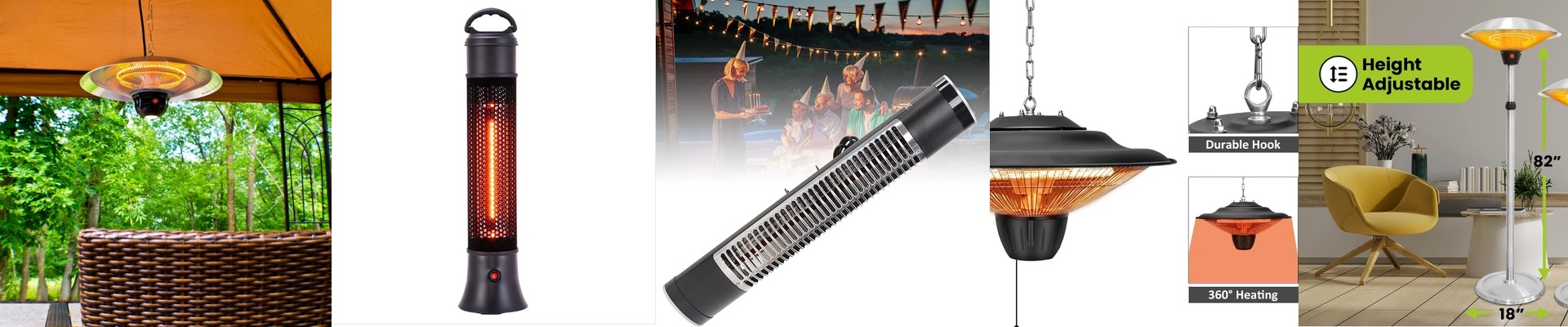
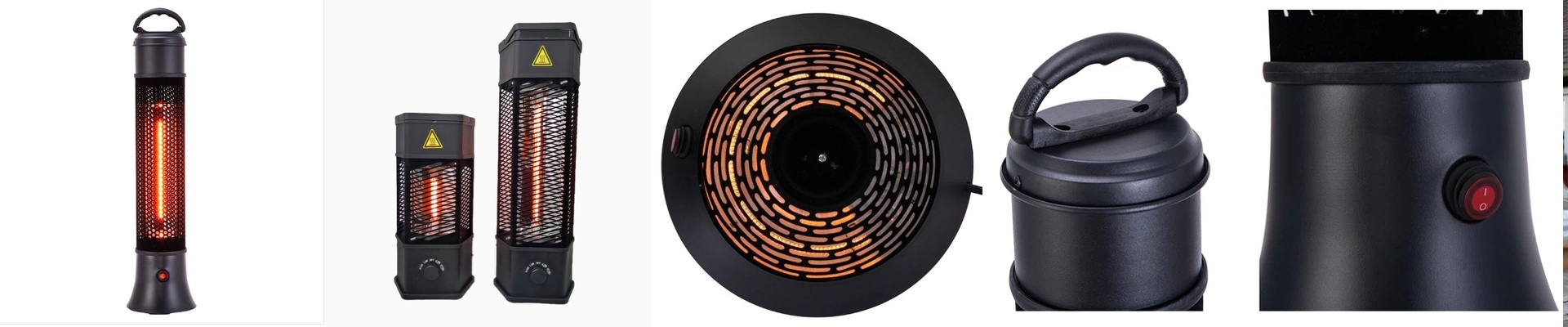
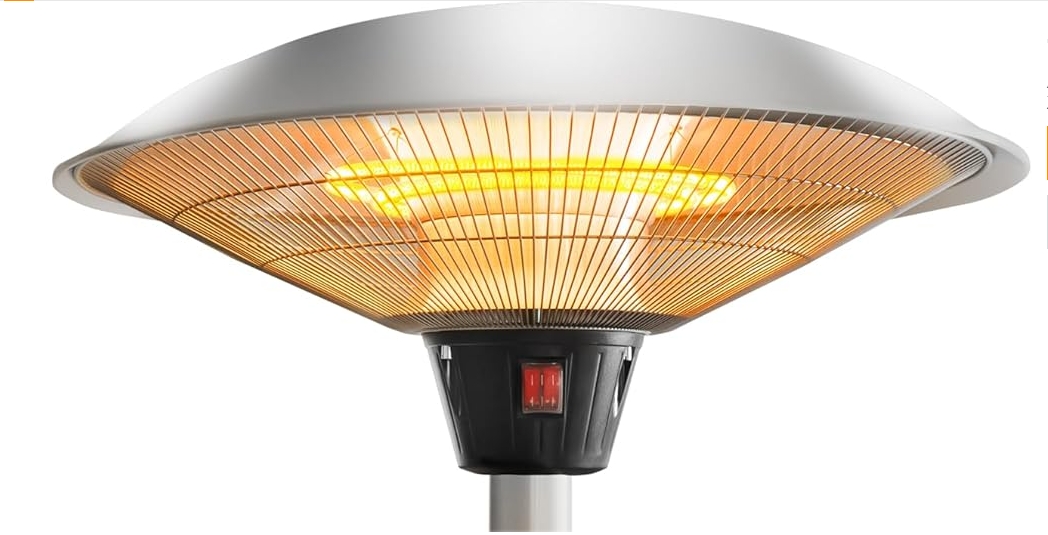
Let’s be honest: most of those old-school bathroom heat lamps are pretty flimsy. They usually rely on basic quartz tubes that aren’t actually sealed. The second a bit of steam or a stray splash of water hits them, they’re done. It’s frustrating, and frankly, it’s a bit of a gamble. That’s why we’re seeing everyone move toward high-IP infrared heaters. If you aren’t familiar with “IP ratings,” it’s basically just a fancy way of saying how well the unit keeps water out. And in a bathroom, that’s the only thing that actually matters. The battle against moisture Here is the thing about bathrooms: moisture is sneaky. It doesn’t just sit on the outside of your heater; it finds its way in through the tiny gaps in the housing. Most standard heaters leak right where the wires enter the unit. That’s how you end up with a short circuit or a burnt-out filament. We solve this by using heavy-duty gaskets and moisture-resistant potting compounds. It basically seals the electronics in a protective cocoon. The result? You can run a steaming hot shower without worrying that your heater is going to trip the breaker and leave you shivering in the cold. Heat you can actually feel There’s a big difference in how these things work. Traditional heaters try to warm up the air. But in a bathroom, that’s a losing battle. Between the high ceilings and the exhaust fans pulling air out, the warmth just vanishes. Infrared is different. It sends out waves that heat your skin and the surfaces around you directly. It’s like stepping into a patch of sunlight on a winter day. Because it targets you and not the air, you don’t need a massive amount of power to feel cozy. A few things to keep in mind Now, if you’re thinking about switching, there are two things you need to know. First, these aren’t “plug-and-play” gadgets. Because they pull a decent amount of power, you’ll likely need a dedicated circuit. Don’t try to jam a high-wattage array into a standard 10A socket—you’ll just end up staring at a dark room. Make sure your wiring can handle the load. Second, while the insides are totally waterproof, the glass face is still glass. Condensation will still build up on the lens. Just give it a quick wipe every now and then to keep the heat flowing perfectly. We build these things to last in the toughest, dampest environments. If you’re renovating and want something that just works without the constant fear of it breaking, this is the way to go.