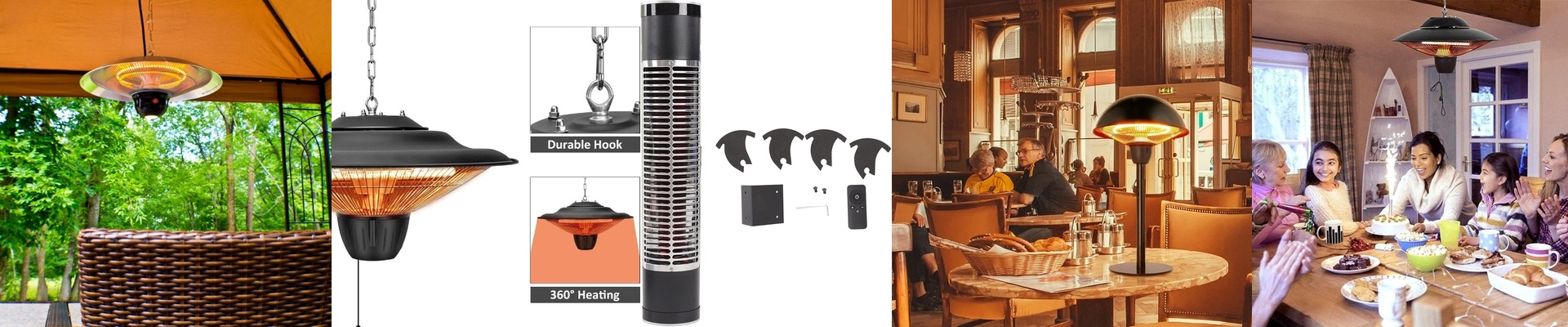
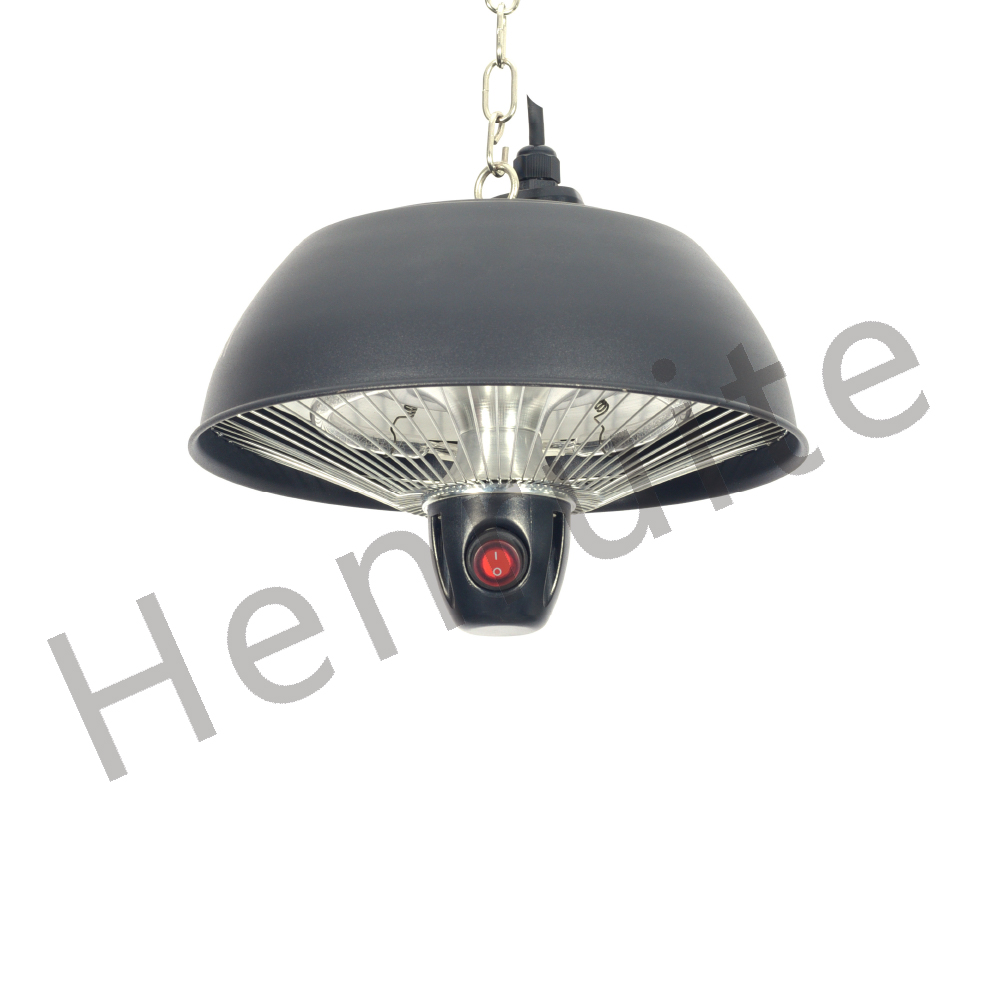
Stop Throwing Away Your Patio Heaters
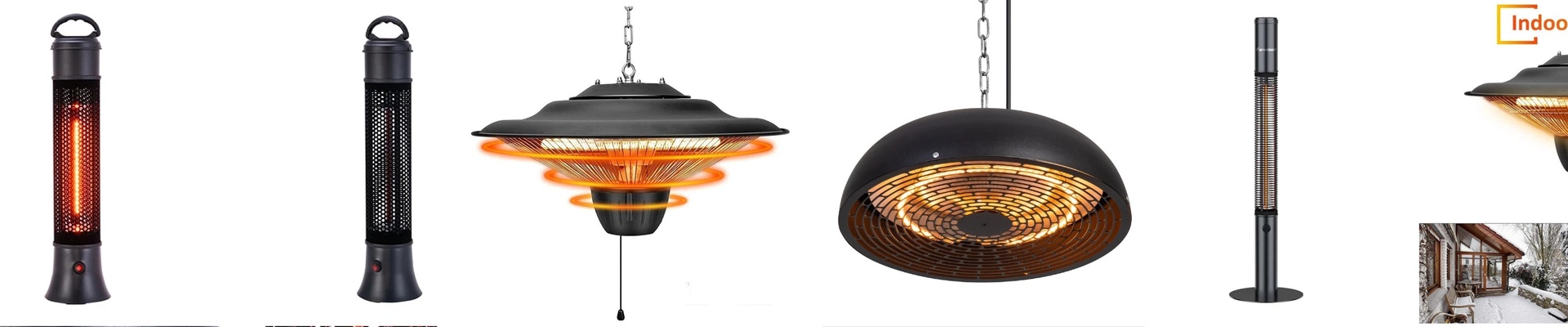
If you’ve ever run a nightclub patio, you know it’s basically a war zone for equipment. Between the humidity, the wind, and the inevitable cocktail spills, things break. We build our infrared heaters to be waterproof, sure. But the real problem isn’t the rain—it’s what happens five years from now when a heating element finally gives up the ghost.
The “Drop-In” Fix
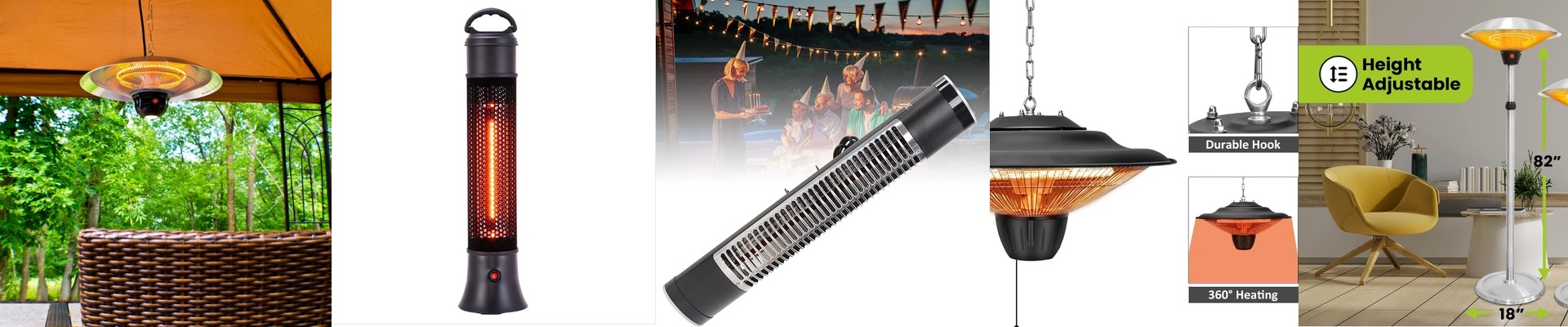
Most heaters on the market are sealed shut. When one tube burns out, you’re usually stuck with two bad options: toss the whole expensive fixture in the trash or spend half a day tearing the chassis apart. We did things differently. We went with a modular setup. Think of the heating element as a plug-and-play part. You don’t have to mess with the wiring or play surgeon with the internals. You just slide the module out, pull the old tube, and slot in a new one. It turns a four-hour nightmare into a ten-minute swap.
The Trade-off: Power vs. Precision
To actually keep people warm in a drafty outdoor space, you need a lot of heat density. To get that, the reflector and the tube have to be incredibly close. The catch? Everything has to be perfectly aligned. If the frame warps because it was installed poorly, your heat starts drifting in the wrong direction. To stop that from happening, we used reinforced brackets. They keep everything locked in place so the heat actually goes where it’s supposed to.
Real-World Maintenance
Usually, “waterproof” means “impossible to open.” We didn’t want that. Instead, we used gasket-sealed access panels. You get the weather protection you need, but you can actually get inside the unit without a fight. Here’s why that matters: if you’re managing 20 or 30 units across a massive patio, you can’t afford to rip every heater off the wall just to change a tube. With this design, the heater stays mounted. You swap the part, check the circuit, and you’re done. Everything is back online before the first guest walks through the door.