

Getting Fiberglass Annealing Right in Tiny Spaces
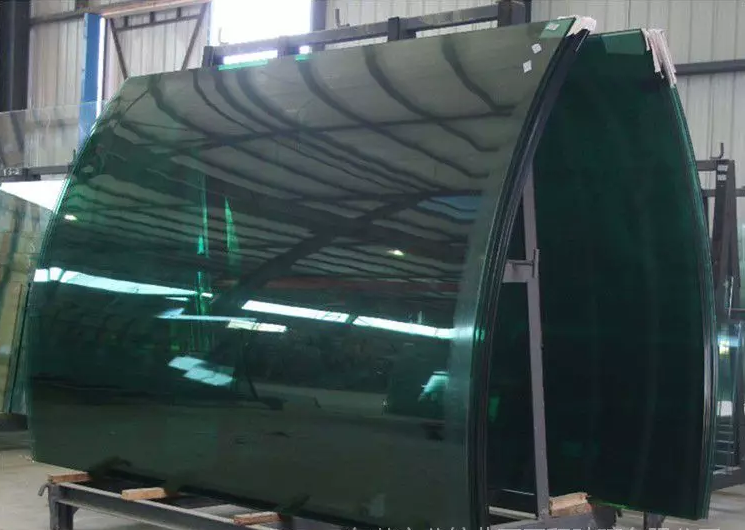
If you’ve ever worked with non-standard bending furnaces, you know the struggle. You need that perfect thermal soak to get rid of internal stresses, but the inside of your chassis is a nightmare. It’s cramped. When you try to jam a standard straight heating element into a space it wasn’t built for, you end up with cold spots. Then you’re staring at uneven curing and wondering why the part isn’t coming out right. It’s frustrating. The fix is actually pretty simple: stop trying to make square pegs fit in round holes. We just bend the infrared lamps to fit your specific furnace. Whether you need a U-shape, a circle, or some weird multi-bend configuration, we build it to the exact millimeter. The best part? You can actually use every inch of that tight space. By maximizing the heating surface area, you get more wattage into a smaller volume. You’re putting the heat exactly where the fiberglass needs it, not wasting it on empty air. On the technical side, we use high-purity quartz glass. This ensures the shortwave radiation actually gets deep into the material. And don’t worry about your electrical setup. You can spec the voltage and wattage to match what you already have. That means you don’t have to spend your weekend rewiring the entire control cabinet. We also take extra care with the internal filament during the bending process so you don’t end up with any annoying hotspots. Now, there is a bit of a balancing act here. Since the lamps fit tighter, the heat distribution changes. You have to be mindful of the gap between the lamp and your workpiece. Too close, and you’ll scorch the fiberglass. Too far, and you’re losing efficiency. To keep things steady, we suggest pairing these with a precise PID controller to handle the ramp-up. Think of these as a lean, mean replacement for those bulky resistive heaters. They snap on instantly and cool down just as fast. Because there’s less thermal mass to deal with, your cooling fans don’t have to scream for an hour just to bring the system back to room temperature. It’s just a smoother, quieter way to work.