
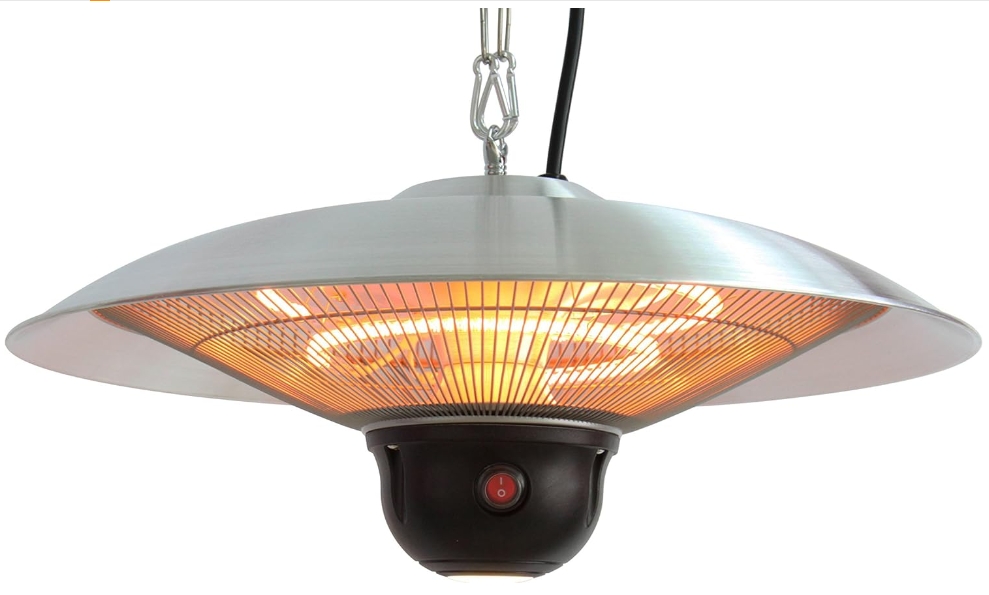
How to Pick the Right Infrared Heater for Your Bathroom
Nobody likes that freezing shock when you step out of a hot shower and hit a wall of cold air. It’s the worst. If you’re looking at infrared heaters to fix this, the first thing you need to figure out is the wattage. Here’s the thing: infrared doesn’t actually warm up the air in the room. It warms you up directly. Because of that, the distance between you and the lamp is what really matters. Picking your power You don’t want to overdo it. If you put a monster heater in a tiny room, you’ll feel like you’re standing inside an oven. For those tiny powder rooms (under 4m²), a small 250W to 400W lamp is plenty. It’ll keep the chill away without making the room stifling. If you’ve got a standard-sized bathroom (between 4m² and 8m²), aim for 600W to 800W. That’s usually the sweet spot for a comfortable, steady warmth. Then you have the big master baths (10m² or more). In these spaces, you’ll probably need 1000W or more. You might even want a few different lamps in different spots so you don’t end up with “cold zones” in the corners. A quick warning on the heavy hitters High-wattage lamps are great because they hit you with heat instantly. But they pull a lot of power. If you decide to install a bunch of 1000W lamps on one circuit, you might end up tripping your breakers. It’s a pain to deal with. Just double-check your wiring and circuit capacity before you go all-in on the high-power stuff. Where to put it (and staying dry) Since we’re talking about bathrooms, water is the enemy. Look for the IP rating—that’s the only number that actually matters here. You need something sealed tight against steam and splashes. When you hang it, make sure the “heat cone” lands right where you usually stand. You’ll likely see two types: shortwave and longwave. Shortwave is the standard for bathrooms because it feels instant. You step out of the shower, flip the switch, and you’re warm. Longwave is a bit more of a gentle, slow burn. Just remember: stick to the size of your room. Over-specing the wattage just wastes electricity and makes your energy bill climb for no reason.