

Keeping People Warm in Wet Zones (Without the Electrical Nightmares)
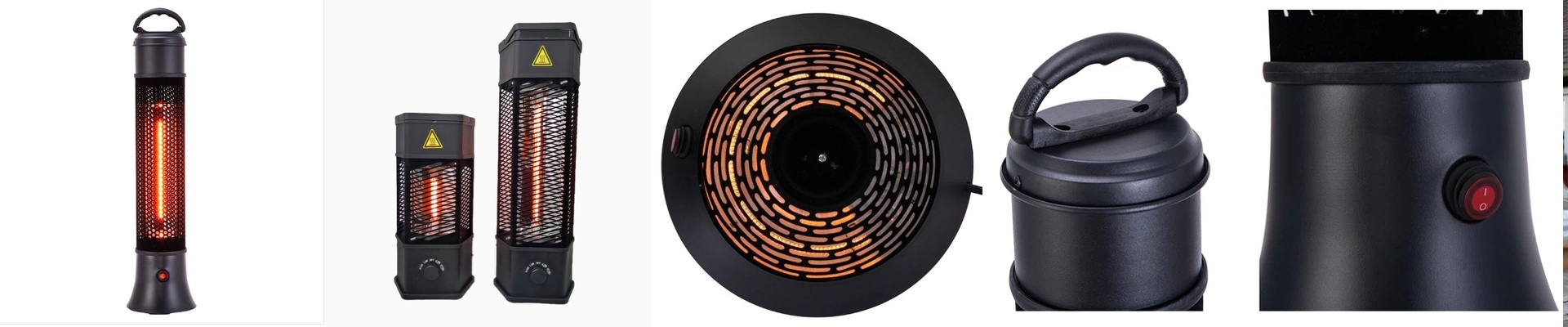
Let’s be honest: changing rooms and wet areas are a headache for anyone handling the heating. You’ve got steam everywhere, constant splashes, and a high risk of electrical shorts. You need heat that works now, but you can’t have it becoming a safety hazard the moment someone turns on a shower. That’s why we lean on shortwave infrared paired with an IP55 rating. It just makes sense.
Why Infrared? Because Waiting Sucks.
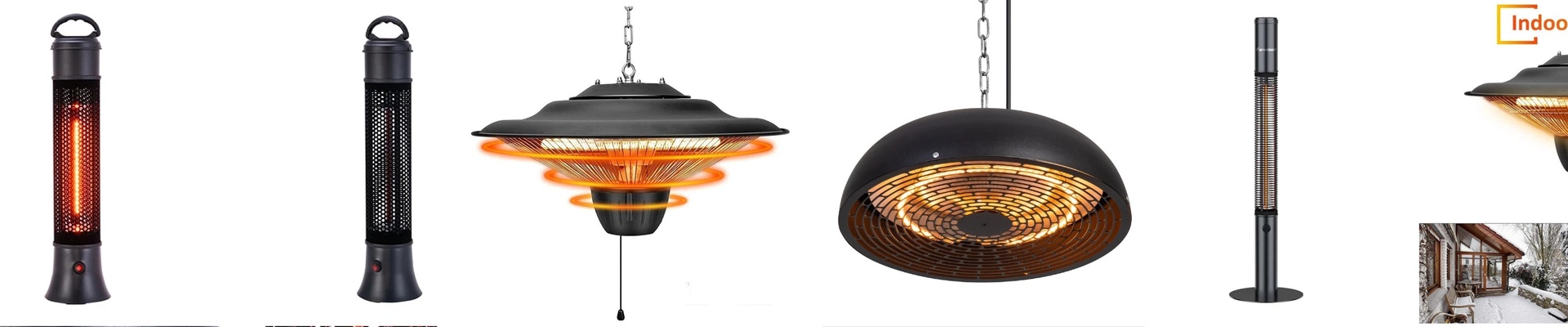
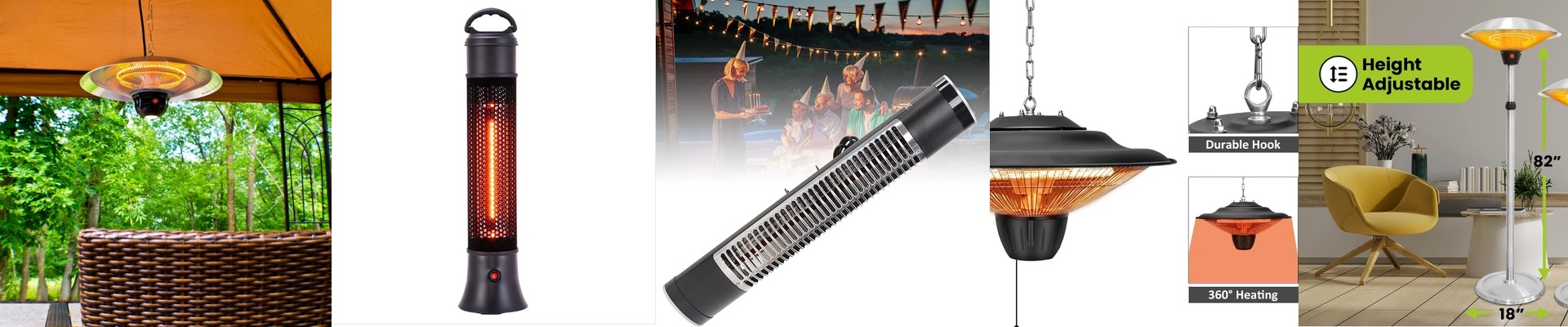
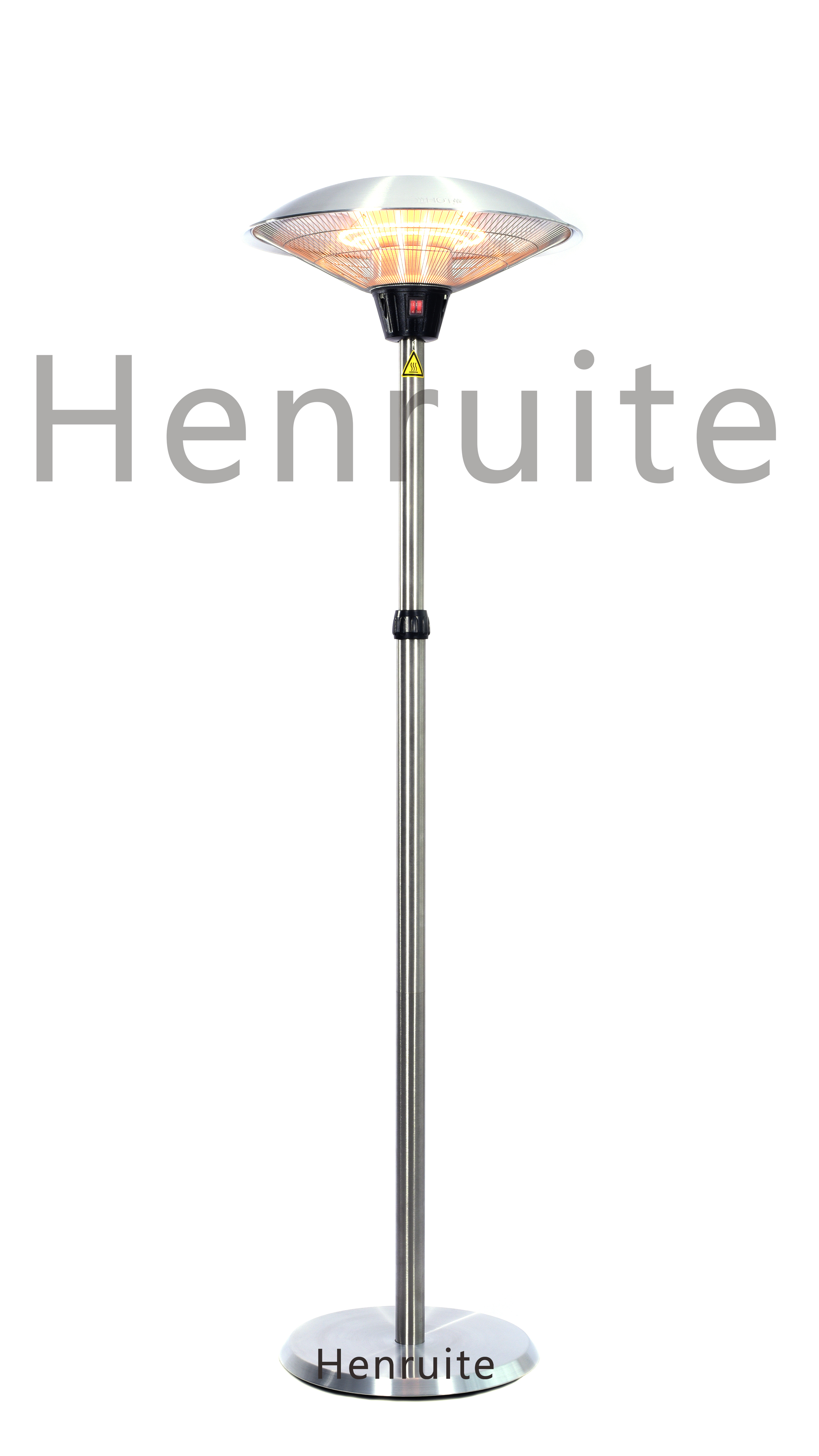
Most heaters try to warm up the air. The problem? In a damp room, that air just stays chilly or escapes through the vents. Infrared is different. It works like the sun. The heat travels straight to the person, skipping the air entirely. You step under it and—boom—you’re warm in seconds. It’s a cozy, direct heat that doesn’t waste energy trying to warm up a ceiling or a cold concrete wall.
The “IP55” Part (The Boring but Important Stuff)
You’ll see “IP55” on the spec sheet. In plain English, it means the unit is built to survive. The first ‘5’ keeps the dust out so the internals don’t fry. The second ‘5’ means if someone splashes water on it from any angle, the unit won’t blink. We use high-temp gaskets to seal the wiring and the housing, making sure moisture never touches the terminals. We also use quartz tubes and tempered glass because they can handle the heat without cracking. And if you’re putting these in a place where they’ll get soaked daily, we go with a powder-coated finish. Otherwise, you’re just inviting rust to the party.
A Few Things to Watch Out For
These heaters are powerful, but they aren’t magic. The heat comes in a tight beam. If you space the units too far apart, you’ll end up with “cold spots”—those annoying gaps where a person is shivering while the person next to them is roasting. You’ve got to get the overlap right. Also, a quick tip on the electrics: these units pull a lot of power the second they kick on. To keep your lights from flickering or your breakers from tripping, give them their own dedicated line. It’s a small extra step during install that saves you a massive headache later.