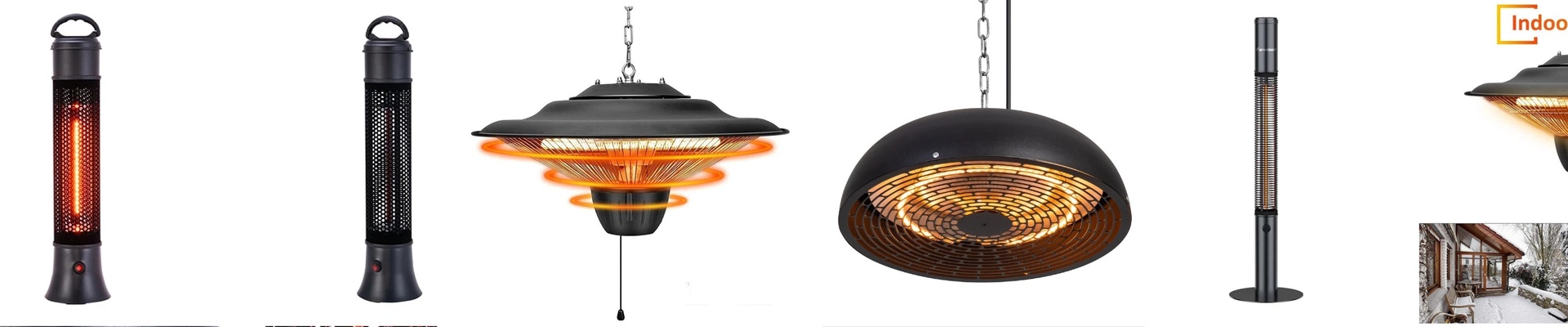

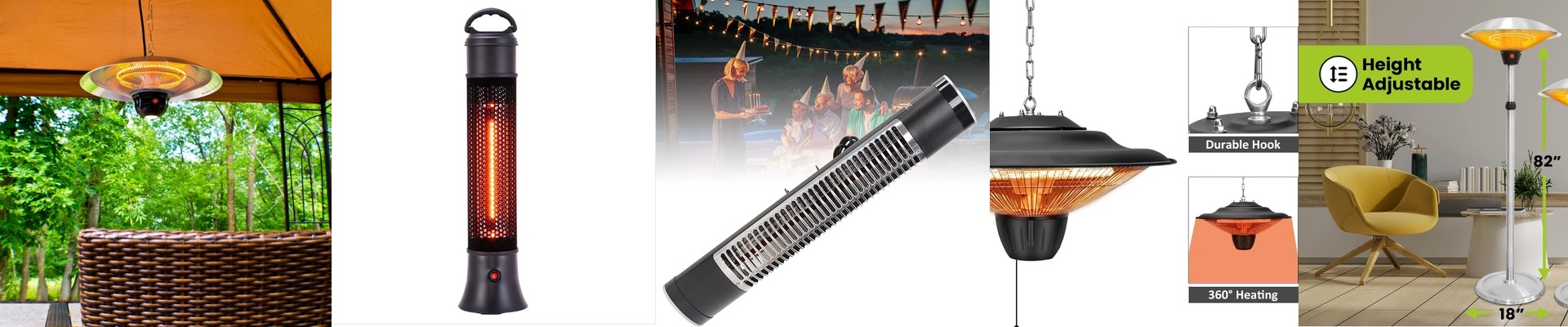
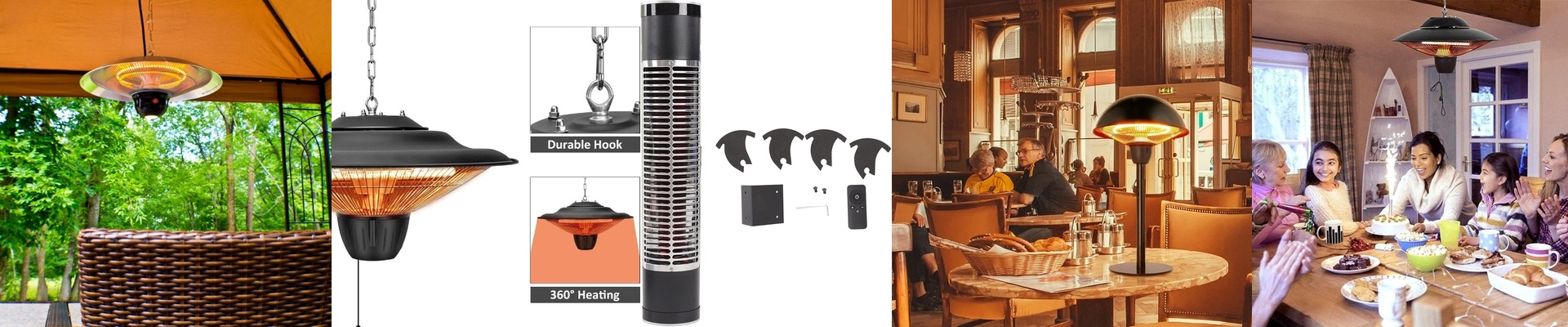
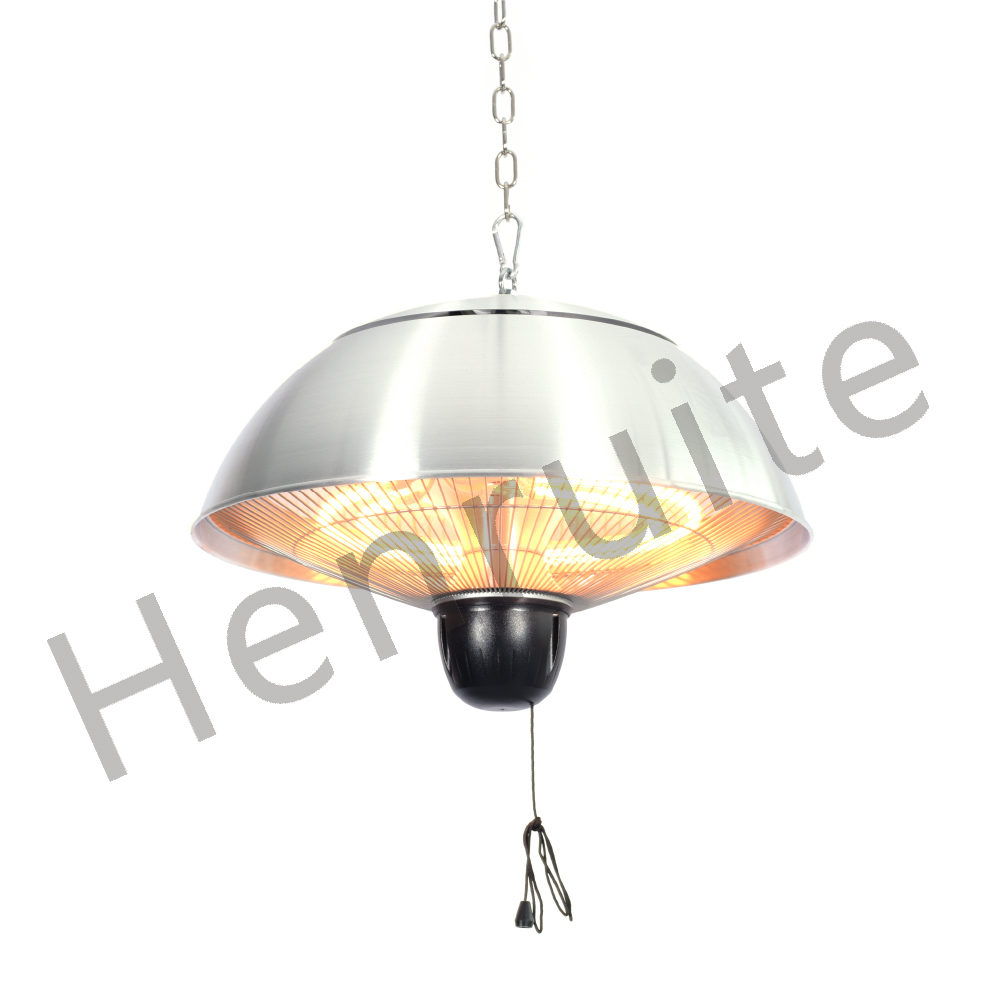
Why we built our outdoor heaters to be modular
Let’s be honest: the outdoors is brutal on gear. Between the rain, the dust, and those wild temperature swings, your garden heaters are basically fighting a losing battle from the moment you plug them in. Usually, when a heating tube finally gives out, you’re stuck. You either have to tear the whole thing apart or just throw the entire chassis in the trash and buy a new one. It’s a waste of money and a massive headache. We thought that was ridiculous. So, we did something different.
Dealing with the “burn out”
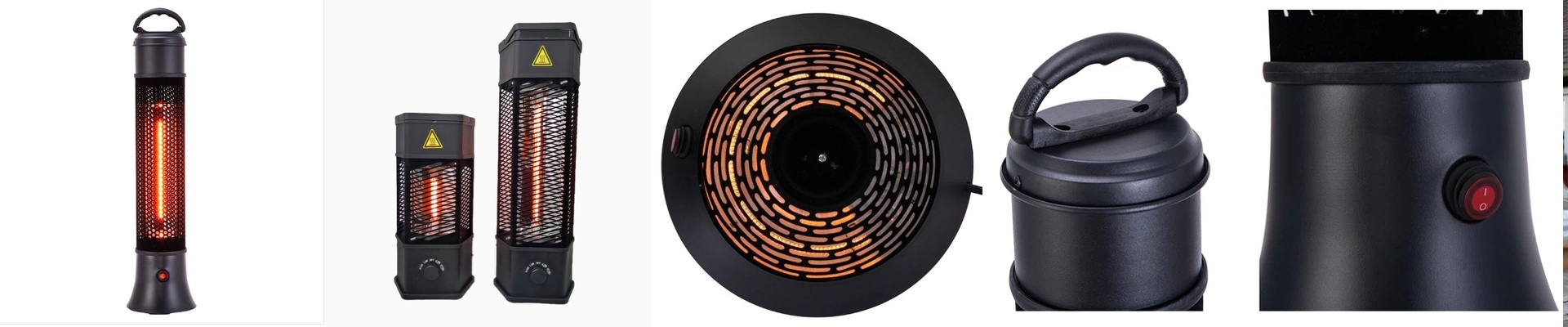
Here is the thing about heating elements: they’re consumables. No matter how high-grade the quartz is, it’s eventually going to wear out. Maybe it happens in five years, maybe sooner. You’ll notice the heat dropping off, or one day, the filament just snaps. Instead of welding everything together into one giant, unfixable block, we went with a plug-and-play system. We kept the heating element separate from the main IP65 waterproof housing. If a tube goes, you just pop the module out, swap in a new one, and seal it back up. You aren’t waiting days for a factory repair. You’re back in business in a few minutes.
The trick to keeping the rain out
Now, making something easy to open while still keeping it waterproof is a bit of a balancing act. We skipped the permanent glues and adhesives. Instead, we use compression gaskets and locking fasteners. It’s a much more human way to build things. The only catch? You have to actually pay attention when you’re putting it back together. If you pinch a gasket, you’re inviting the rain inside. But as long as you seat the seal correctly, it stays bone-dry.
What this actually means for your wallet
This changes the whole math of owning these heaters. You don’t need to budget for a whole new fleet of equipment every few years. You just keep a few spare tubes on the shelf. You wire the system once. Then, for the next decade, you only worry about the parts that actually wear out. It’s a simple, mechanical fix to a problem that usually costs way too much to solve.