
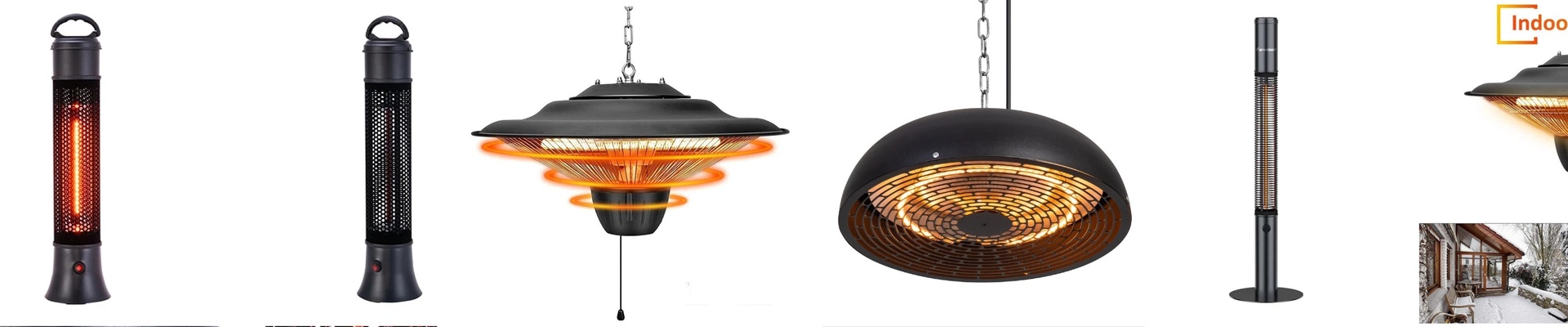
How to Actually Warm Up a Freezing Room Fast
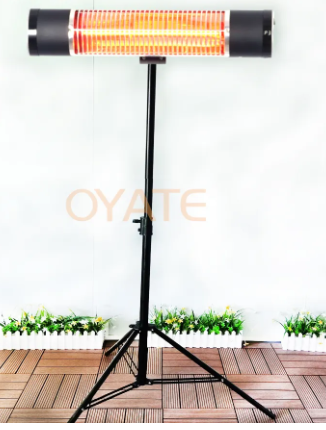
Ever tried to warm up a drafty locker room or a transition area with a standard heater? It’s a nightmare. You’re just pushing warm air around, and by the time it reaches you, a breeze kicks in and blows it all away. It takes forever. That’s why we stop messing with the air and go straight for the source. We use ceiling-mounted shortwave infrared (IR) emitters. Think of it like stepping into sunlight on a cold winter day. You don’t feel the air get warm; you feel the heat hit your skin instantly. That’s the magic here.
The Secret to That “Instant” Feeling
Here is the thing: we use a specific wavelength of light (between 0.76 and 2.5 $\mu$m) that just cuts right through the air. It doesn’t get scattered by drafts or wasted on the empty space in a giant room. It’s a straight shot from the ceiling to you. Because of that, you feel warm the second you step under the lamp. It doesn’t matter if the room is a cavern or if there’s a giant open door letting the cold in. You’re warm. Period.
The Gear (And the Trade-offs)
We usually build these systems with quartz halogen tubes. We want them high-wattage because we want that “flip the switch and feel it” effect. To keep the tubes from popping during a power surge, we add some tight voltage regulation to the mix. But you can’t just throw any lamp in any room. You have to look at your ceiling height. If the ceiling is high, you need more power to make sure the heat actually reaches the floor. That means your electrical panel needs to be able to handle the extra pull. On the flip side, if you put a monster lamp in a room with low ceilings, you’re basically creating a microwave. People directly underneath will bake. It’s all about the balance.
Getting it Installed and Keeping it Running
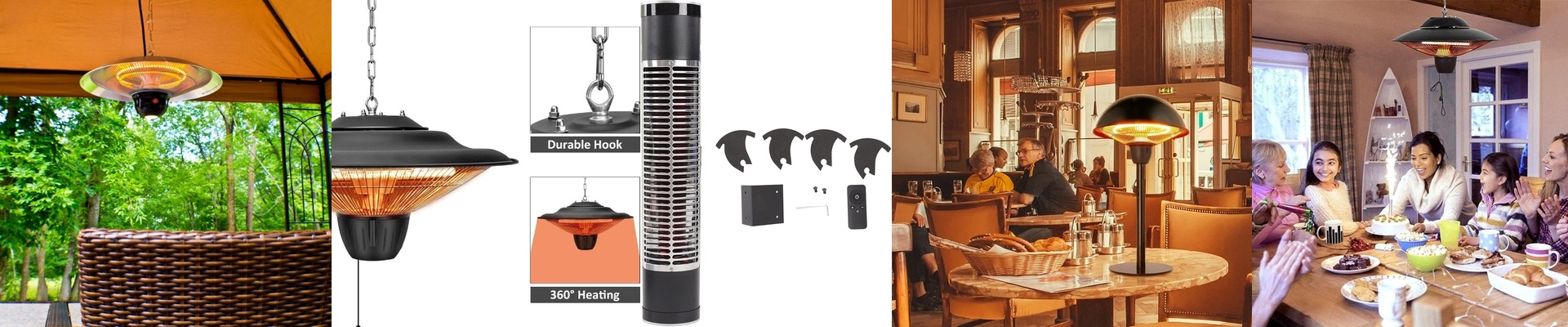
Setting these up is pretty straightforward. They can either slide right into your existing HVAC vents or just bolt onto the ceiling as standalone units. We use reinforced reflectors to bounce the rays straight down so we aren’t wasting energy heating the ceiling. And since these things get seriously hot, we use high-temp wiring and heavy-duty mounts. We don’t want the units shifting or warping as they heat up and cool down. As for maintenance? It’s low-key. Just swap out the tubes every 5,000 to 10,000 hours, depending on how hard you’re running them.