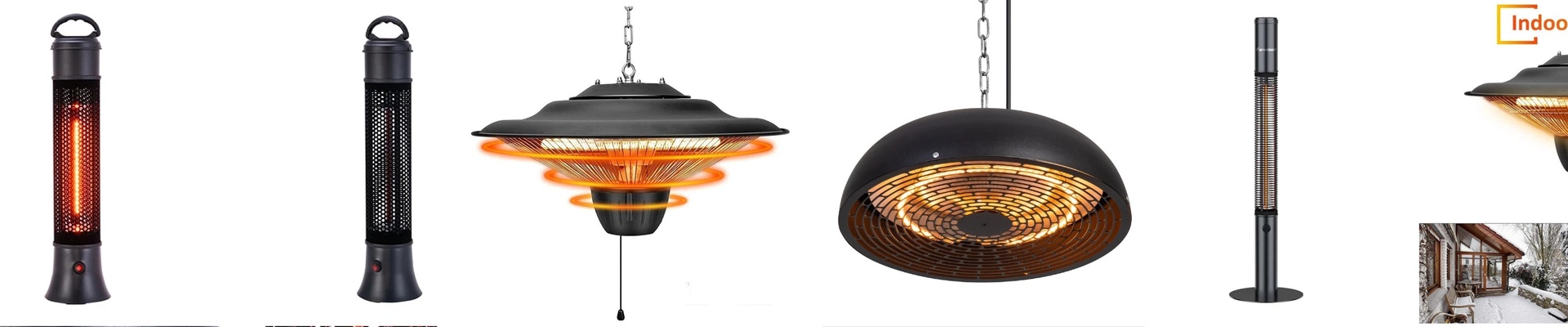
Stop Letting the Cold Kill Your Patio Profits
If you run an outdoor dining space in the winter, you know the struggle. You put up heaters, but the second a breeze kicks in, all that warm air just vanishes. It’s frustrating. Here is the problem: most heaters try to warm the air. But warm air rises, and wind pushes it away. It’s a losing battle. To actually keep people in their seats, you need to stop worrying about the air and start focusing on the people. That’s where radiant heat comes in.
The Secret to High Ceilings
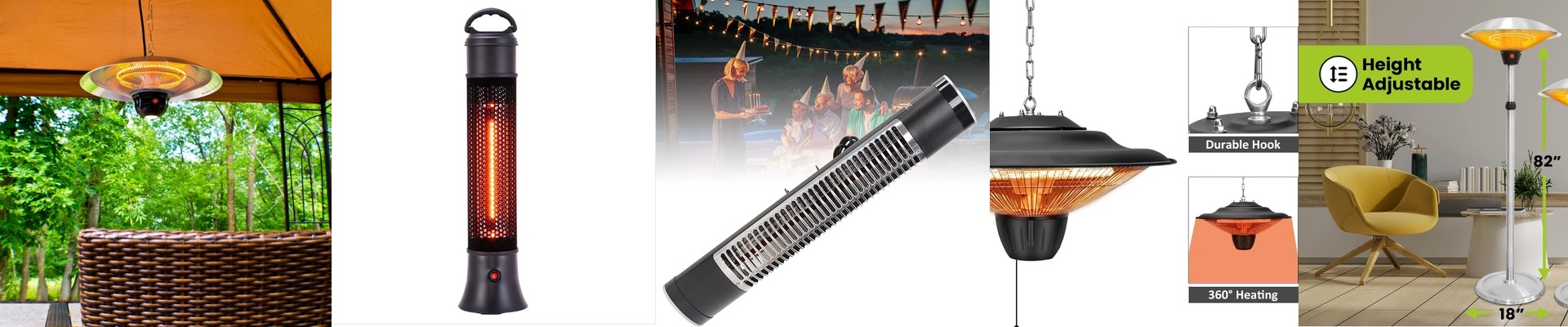
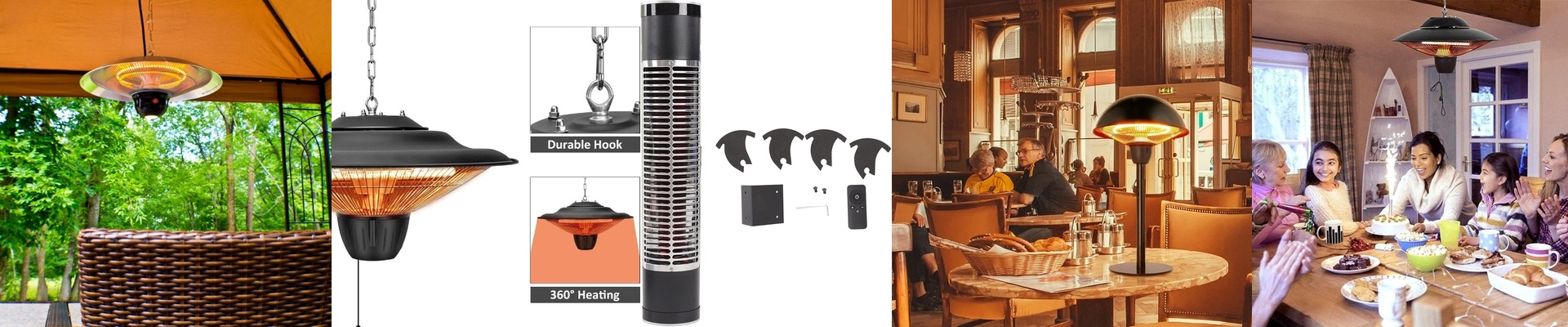
If your heaters are sitting up high—say, 10 feet or more—standard lamps just don’t cut it. The heat dies out before it ever reaches the table. We use shortwave infrared. Think of it like a flashlight, but with heat. It travels in a straight line. It doesn’t care if it’s windy or if your ceiling is massive; it goes straight through the air and hits your guests’ skin and clothes. It feels like standing in the sun on a crisp October day. That’s the vibe you want.
The Nitty-Gritty (And the Electrical Warning)
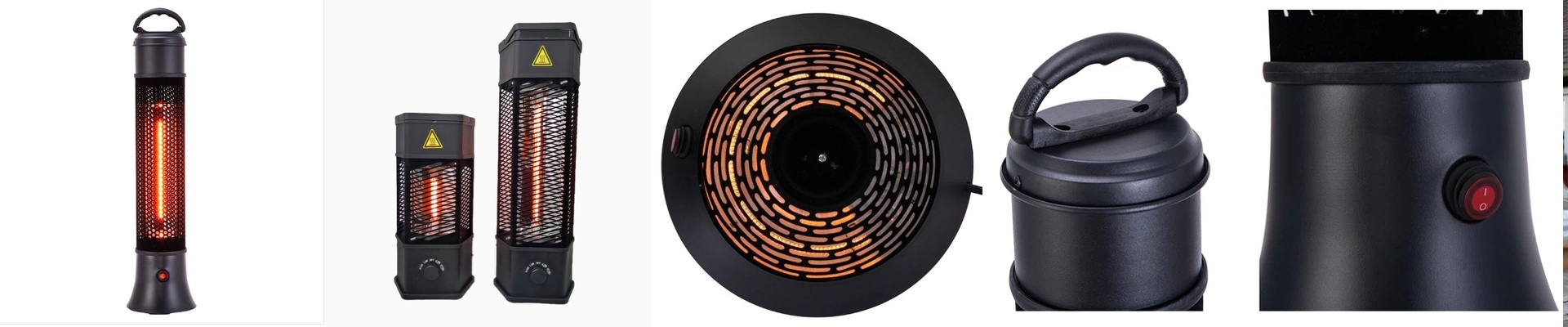
Getting this right takes a bit of planning. You can’t just guess the wattage; you’ve got to look at your square footage. Most of these high-power units run on 220V-240V and pull a decent amount of juice—usually between 2kW and 4kW per head. We use quartz glass tubes with a special coating to make sure the heat beams downward instead of scattering everywhere. **One big heads-up:**Do not just plug these into a regular wall outlet. You’ll trip your breakers the second you turn them on. You need a dedicated electrical panel to handle the load. Trust me, it’s better to do the wiring right now than to have the lights go out in the middle of a Friday night rush.
More Comfort, More Cash
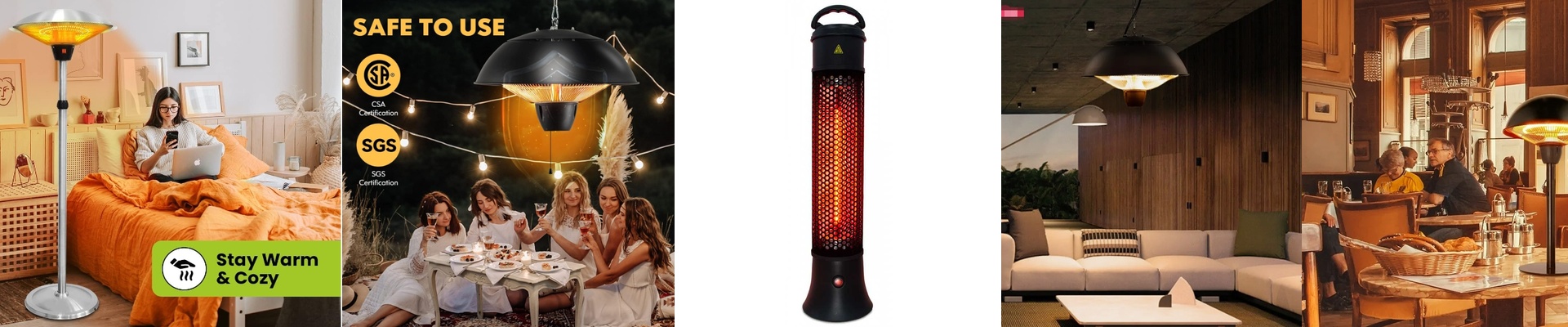
It’s simple: cold customers leave. When people are shivering, they finish their drinks faster and skip dessert just so they can get inside. But when you create a “warm zone” around the table, people relax. They linger. They order that extra bottle of wine. Plus, it lets you keep your patio open during those awkward “shoulder seasons” when it’s too cold for a t-shirt but too nice to stay trapped indoors. There is one catch, though. Shortwave heat is intense. If you mount the heaters too low, you’ll literally bake your guests’ heads. Getting the height exactly right is the difference between a cozy dinner and a very unhappy customer.