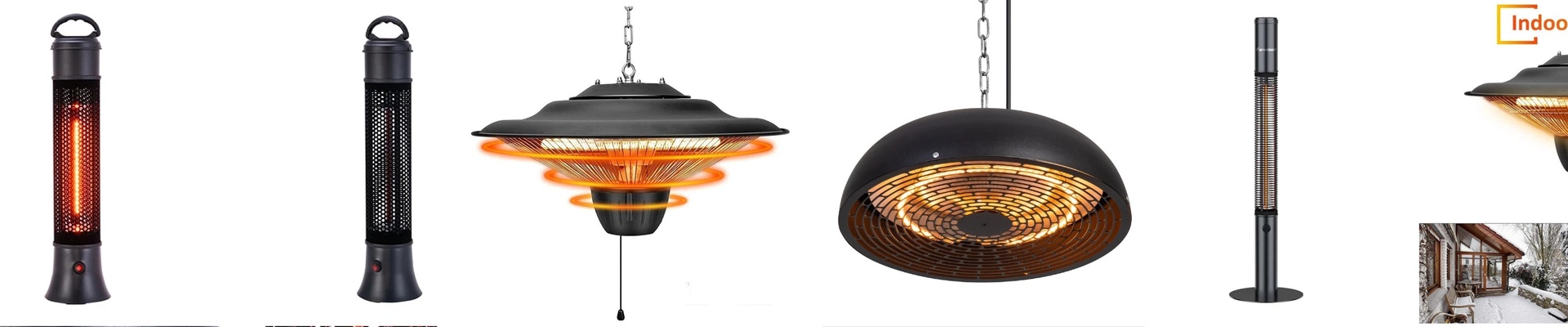
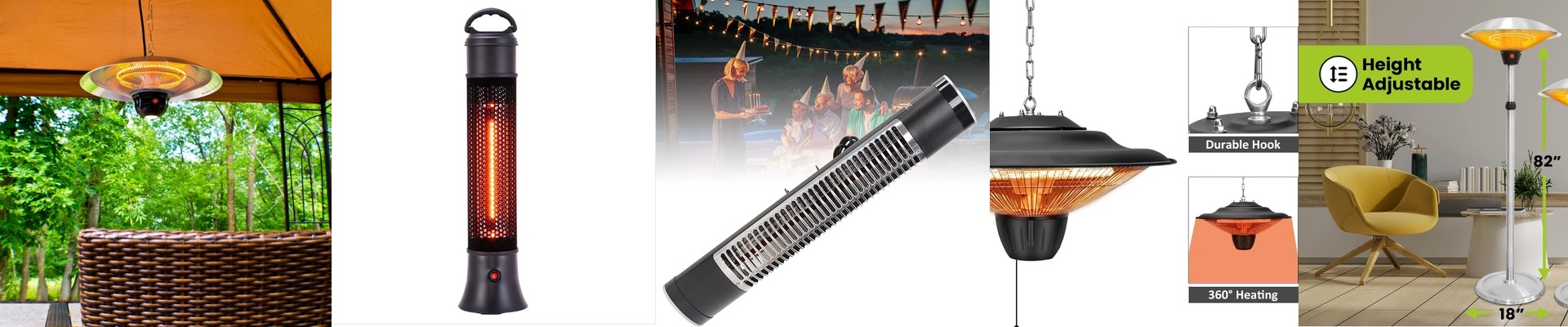
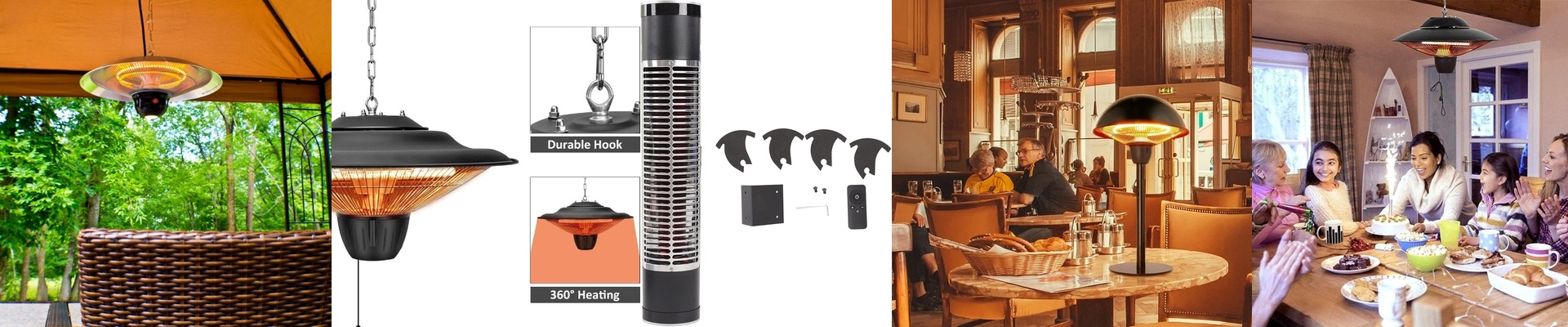
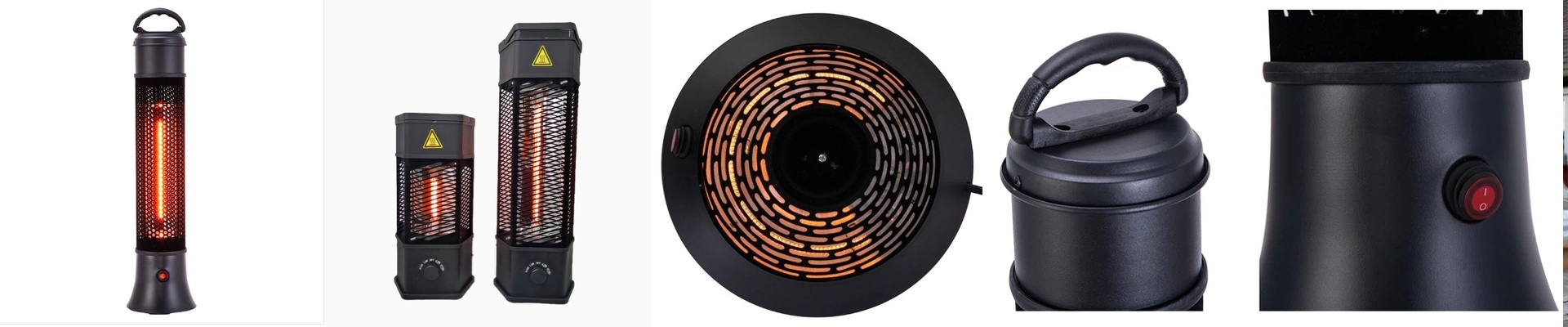
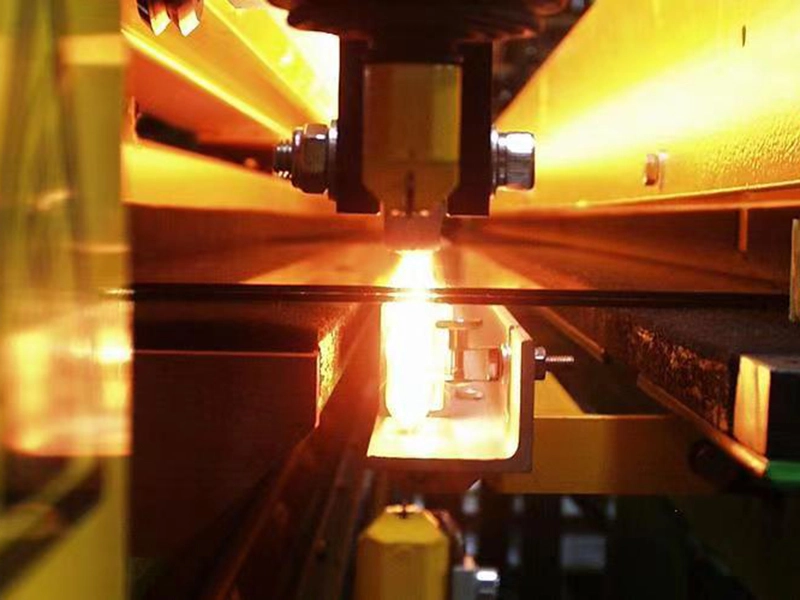
On the cutting line, the heat profile is the quiet factor that decides whether the score runs clean—or the glass cracks under thermal stress. Convection ovens are slow to respond, and hot spots create uneven expansion that shows up as micro-cracks and rejected edges. Short-wave infrared heaters cut through that by putting heat exactly where you need it, exactly when you need it. What matters under the hood We build these around short-wave infrared quartz elements because they respond fast and give tight control. That translates to a uniform thermal field across the glass surface, so you don’t fight temperature gradients that drive warp and stress. Response is measured in seconds, not minutes, so you can keep pace with automated cutting tables without waiting for the whole chamber to settle. Directional radiation puts the energy into the glass, not the surroundings, so ambient heat stays lower and your ventilation load doesn’t balloon. Why this matters in cutting The whole point is a consistent score line and predictable fracture behavior. A stable, even heat band across the edge lets the scoring tool work uniformly, which cuts down on edge chips and micro-cracks that tend to propagate later—especially when you move into tempering or bending. Fast response keeps cycle times tight and throughput up, while directional heating wastes less energy and keeps operator heat exposure manageable. The payoff is fewer rejects, more consistent yield, and a predictable energy draw per part. What you need to get right Infrared is line-of-sight, so mounting geometry matters. Clearance, angle, and distance have to match glass thickness and travel speed; otherwise you’ll see hot bands or cold spots. Surface reflectors help efficiency, and keeping the quartz elements clean maintains output. Plan a focused commissioning run to dial the profile, then lock the settings down. Once aligned, the system runs with minimal tweaking and predictable maintenance intervals.