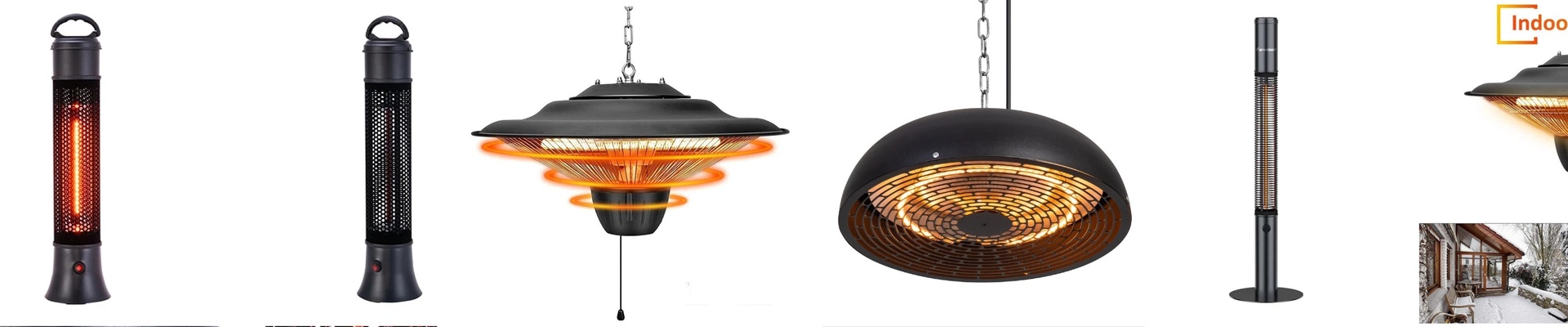
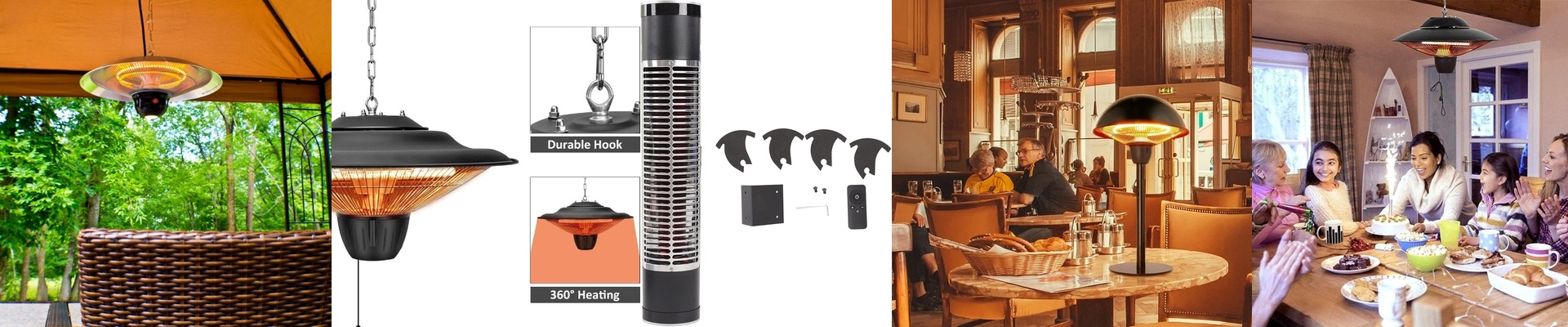
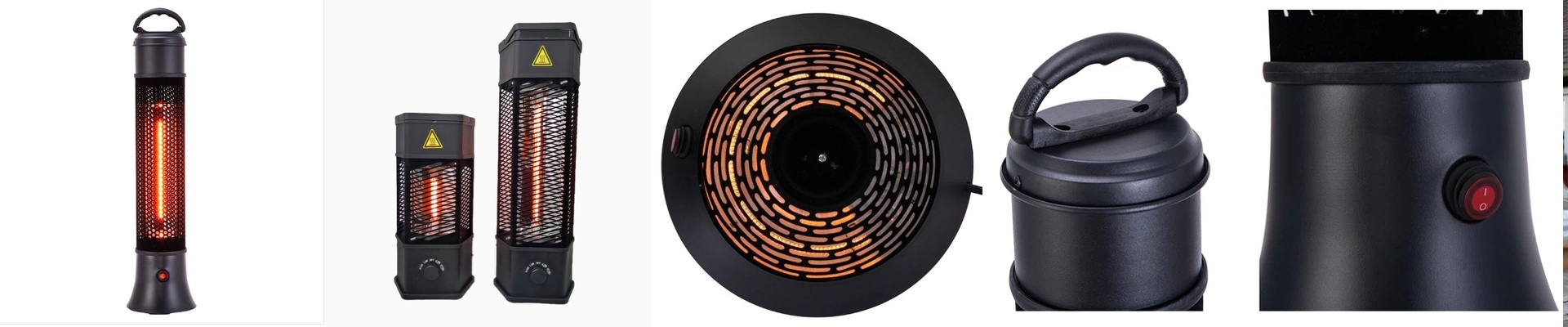
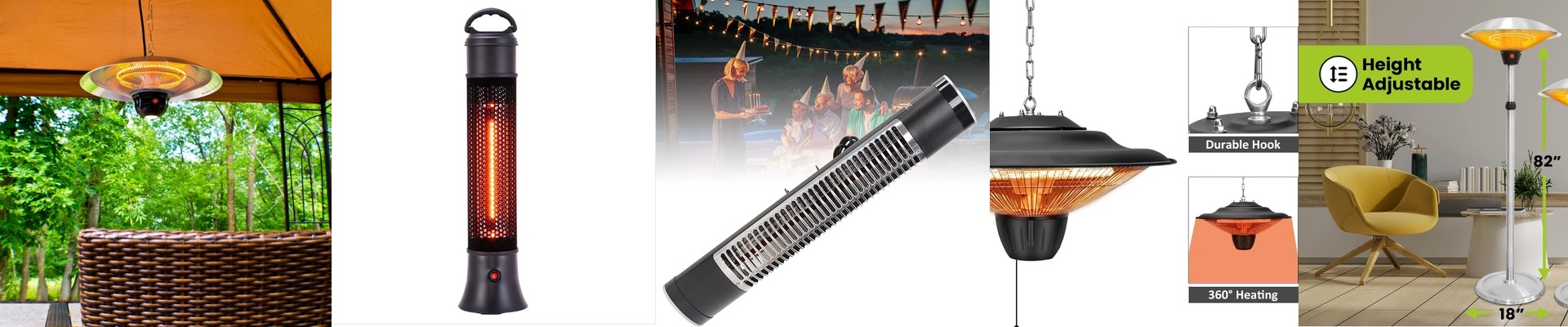
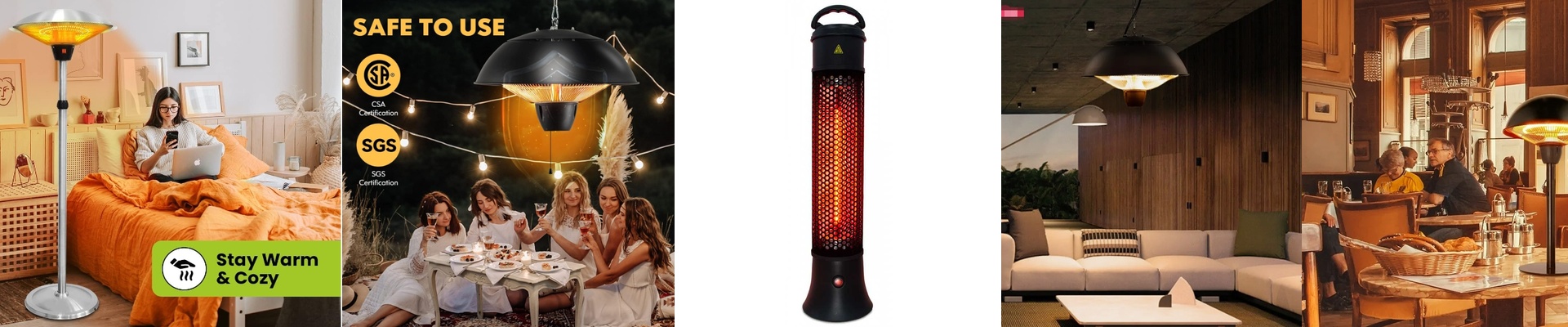
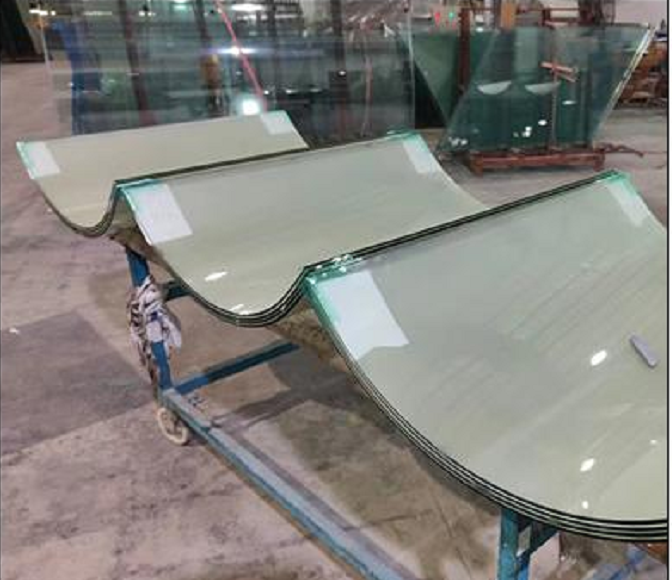
On the glass line, sublimation printing falls apart fast when the heat profile is off. You get ghosting. Adhesion goes south. And you end up scrapping panes that should have cleared the dock. The heater has to deliver repeatable, even energy—no hot streaks, no cold corners.
What matters under the hood
We built the sublimation-on-glass heater around short-wave infrared (NIR) emitters with quartz envelopes. The payoff is a thermal field that stays uniform across the glass, so sublimation inks transfer consistently without banding. The response is quick—full operating temperature in seconds, not minutes—so you can match line speed and keep changeovers tight. The emitters throw directional radiation, putting energy where it needs to be and cutting losses to convection and ambient air. The module is engineered for industrial duty: stable output over long runs, predictable emissivity behavior, and a footprint that drops straight into existing press and oven zones.
Why this approach sticks
Sublimation on glass is a thermal process, and uniformity is what protects yield. With even heating, you reduce thermal stress and the warping that sends parts back for rework. Fast response shortens dwell time, which boosts throughput without stretching oven length. Directional radiation improves energy efficiency, lowering kWh per part and taking load off plant electrical service. The result is fewer rejects, steadier cycle times, and less downtime chasing temperature drift.
The things you learn the hard way
Installation is straightforward, but alignment is not optional. The emitter array has to stay parallel to the glass plane to keep the heat profile even. Surface reflectivity can shift with coatings and tints, so set-up should verify temperature distribution with a calibrated scan. Expect a much faster warm-up than older heaters, and plan control wiring and thermal protection accordingly. This isn’t a plug-and-play upgrade unless your machine already has compatible interfaces.