
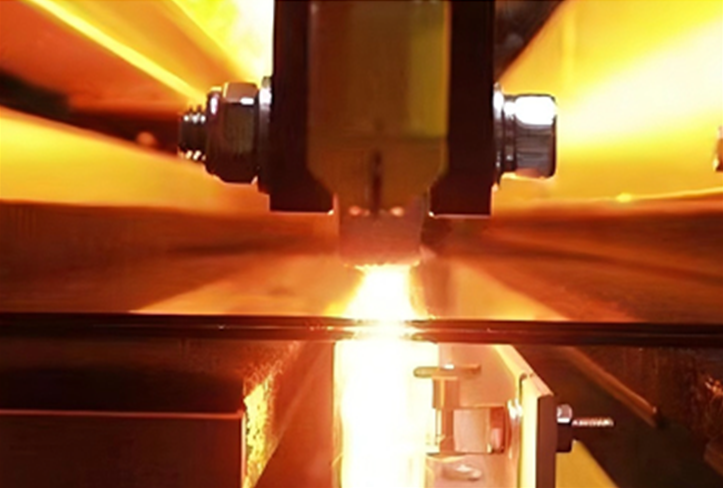
Stop Losing Glass Batches to Spotty Heating
Glass annealing is all about precision. But here’s the thing: if your IR lamps are off by even 5% across the heating bank, you’ve got a problem. You get these thermal gradients—basically, some spots are hotter than others. That creates internal stress in the glass. And that’s how you end up with cracks or, even worse, an entire batch shattering. We see it all the time. A few mismatched lamps create “cold spots” in the oven, and suddenly your yield tanks.
Why Consistency Actually Matters
If you want to stop the instability, you need lamps that actually do what the label says. When we talk about “high consistency,” we’re talking about the real-world power coming out of every single tube in the array. If one lamp is running hot and the one right next to it is running cool, the glass can’t cool down evenly. It’s a recipe for disaster. To fix this, we use high-purity quartz and a very specific way of winding the filaments. It keeps the heat steady. Whether you’re looking at the center of the tube or the very ends, the energy hitting the glass is the same.
The Hardware Headache
These high-wattage lamps put out a massive amount of heat. You need that power to hit your annealing temps quickly, but it puts a lot of pressure on your power supply. You’ve got to make sure your transformers and wiring can handle the peak current. If you get a voltage drop, your temperature drops. And when the temperature drops, the batch is ruined. It’s that simple. To make life easier, we use standardized connectors. They’re basically drop-in replacements. It saves you from the nightmare of wiring errors when you’re doing maintenance in a hurry.
The Balancing Act: Heat vs. Lifespan
It’s tempting to crank up the wattage to shave time off your cycles. I get it. Who doesn’t want things to move faster? But there’s a catch. Pushing the filament too hard burns out the lamp faster. You’ll find yourself replacing tubes way more often. The trick is to find the sweet spot. Balance your wattage based on how thick your glass is. That way, you keep a steady thermal equilibrium without killing your lamps every few months.