
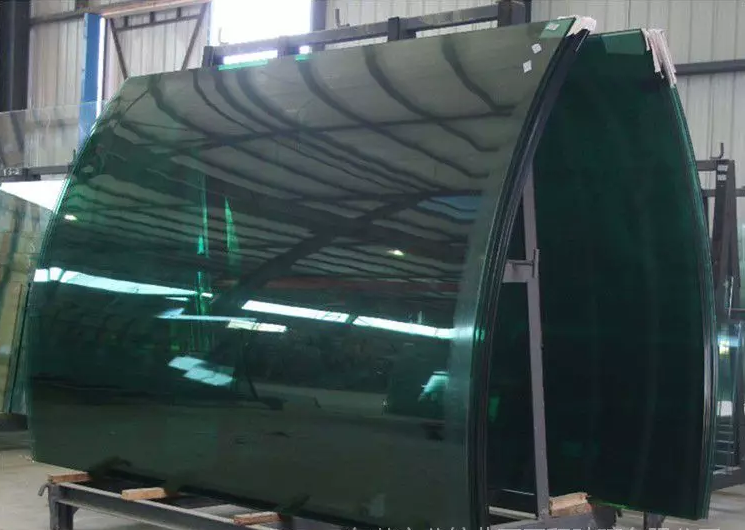
Millisecond Infrared Drying: The Secret to Saving Low-E Glass Coatings
We built this infrared drying lamp for one reason—to dry coated Low-E glass fast. Seriously fast. Because when you’re working with high-performance Low-E glass, that coating is delicate. Leave it hot in the air too long, and oxygen sneaks in, wrecking the optical performance. So speed isn’t just a bonus. It’s the whole point.
Why the Specs Actually Matter
This lamp was built for serious heat, with control at the ready. The magic behind that near-instant reaction? A shortwave infrared source that hits operating temperature in the blink of an eye. That speed lets you match the heat pulse to the coating’s chemistry, not just the speed of the conveyor. And the 400V rating? It keeps the power steady across the tube, so the lamp holds its temperature without dipping, even when things get busy. We match the wattage and length to your glass width and line speed, so you get the right energy density without overshooting. Plus, it has a small footprint, so it slips right into your existing oven or retrofit line.
Built to Handle the Heat
Shortwave infrared is intense, so the lamp needs a tough, stable home. We use quartz glass because it handles rapid heating and cooling without breaking a sweat, and it stays consistent in the target wavelength. A special coating on the outside keeps the energy focused on the glass, not heating up the machine around it. And the R7s connector? It’s a practical choice. It handles the current, makes swapping out the lamp a quick job, and keeps everything lined up perfectly. In real life, that means fewer hot spots and smoother changeovers.
The Goal: Protecting the Film While It Dries
With Low-E glass, the drying has to finish before the film has a chance to oxidize. That’s where the millisecond response comes in. It delivers a short, intense burst of heat that evaporates solvents and cures the layer while the film is still shielded by vapor. The payoff? Stable film quality, consistent reflectance, and far fewer rejects. Now, there’s one thing to keep in mind. This level of heat density needs proper cooling and thermal management. Plan for the right airflow and shielding up front, and the lamp does exactly what it was designed to do. Fast. Controlled. And rock-solid consistent.