
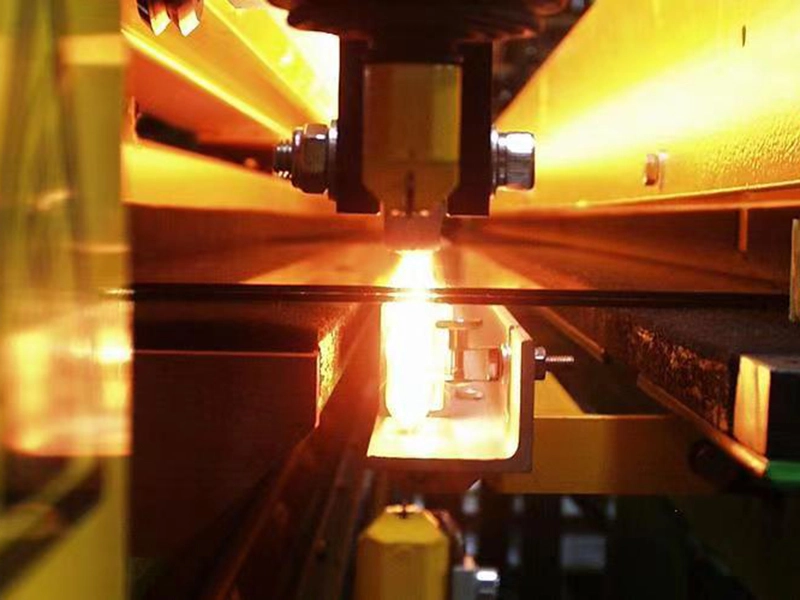
Getting the Heat Right for CNC Glass Cutting
Most heating lamps are too basic. They just blast heat evenly across the board, and in the world of R&D glass, “even” usually isn’t what you actually need. To get a clean break without the glass shattering, you need to control the stress inside the material. That means you need specific hot and cold spots. We don’t just build lamps to a certain size; we focus on where the power actually lands.
Playing with Power Density
We do more than just pick a length and a voltage. We actually mess with how the filament is wound and how thick the quartz is to move the heat around. By tweaking the wattage per centimeter, we can create “hot zones” and “buffer zones” across the lamp. It gives you a way to dial in the thermal expansion while you’re working. For example, if you’re dealing with a finicky new material that keeps cracking at the edges, we just dial back the power at the ends of the tube. Simple.
The Gear Side of Things
These lamps use high-purity quartz because CNC work is brutal—constant heating and cooling cycles. We use standard industrial connectors, so you can just pop them into your current setup without a headache. One heads-up, though. When you cram more power into a smaller space, the lamp gets seriously hot. Just make sure your housing can handle those peak temperatures. You don’t want to find out the hard way that your mounts are melting.
Why This Matters for R&D
If you’re developing new glass composites, you need room to experiment. You shouldn’t have to buy a random part from a catalog and just pray it works. Instead, you tell us exactly how many kW/m you need at specific points, and we build the lamp to match that curve. It takes the guessing out of the equation. If a piece of glass fails, you’ll know immediately if it was the cutting head or the preheat cycle. No more wondering why things are breaking.