
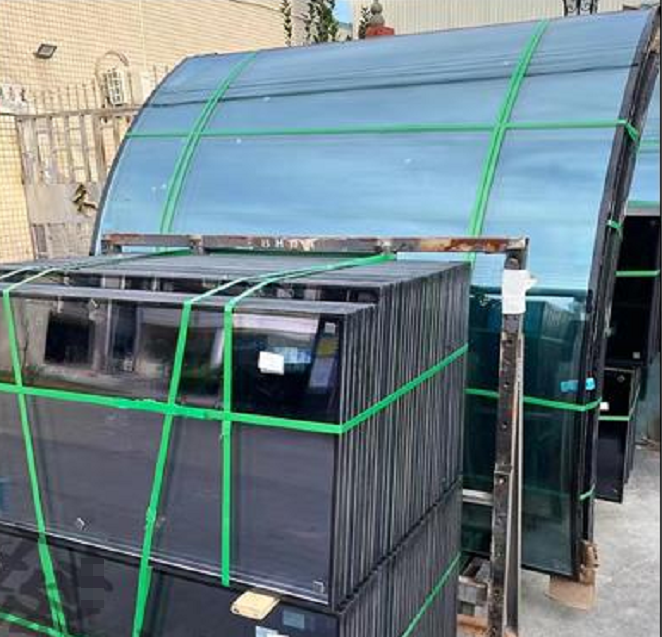
Getting High-Density IR Heat Into a Mobile Glass Repair Kit
When you’re trying to cram high-performance heating into a mobile repair bracket, you run into a wall pretty quickly: space. You can’t just throw in a bulky heating element and call it a day. You’ve got a tiny footprint and limited voltage to play with. That’s why we use shortwave infrared (SWIR) lamps. They give us those aggressive temperature spikes needed to mold glass without making the whole device look like a suitcase. The struggle with tight spaces It all comes down to how much wattage you can squeeze into every centimeter. We use high-density quartz lamps to concentrate the heat exactly where it needs to be. Here’s the thing: if the lamp is too long, it simply won’t fit. But if the wattage is too low? The glass won’t soften fast enough for the mold to set, and you’re stuck waiting. We spend a lot of time balancing that thermal load against whatever power supply the mobile kit is running on. The hardware side of things We stick with halogen-filled quartz tubes. They stay stable even when you’re pushing them hard at high wattages. To keep the internals from becoming a “spaghetti mess” of wires, we pair them with tiny connectors like R7s or SK15. It keeps the build clean. But there’s a catch. Pushing that much power through a small tube makes the surface incredibly hot. If you aren’t careful with your insulation, that heat will soak right into the bracket frame and warp your alignment. To stop that, we use ceramic spacers or heat-resistant alloys. It’s the only way to keep the tool precise. Real-world use In the field, these IR elements are great because they’re basically “instant-on.” You heat up fast, you do the job, and it cools down just as quickly. Just a heads-up, though: these high-density lamps hate being shaken. Since this is a mobile kit, you have to lock those lamp ends down tight. If you don’t, the filament can snap during transport, and you’re left with a very expensive paperweight.