
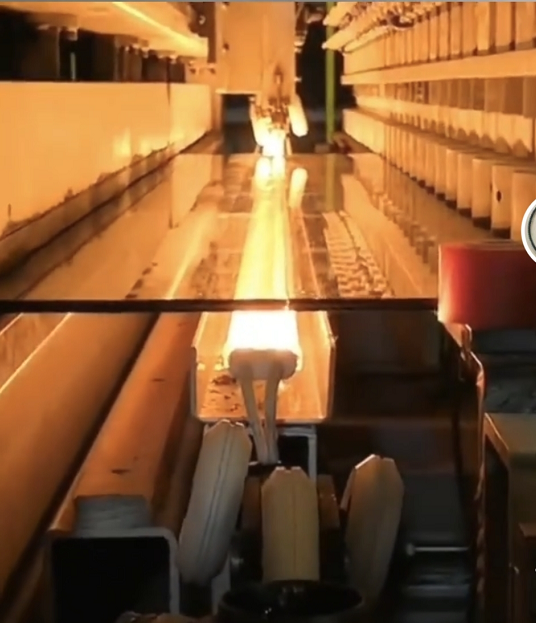
Buying a replacement heater just by looking at a part number? Honestly, that’s a gamble. In the world of tempered glass bending, the heater is just one piece of a much bigger puzzle. You’ve got glass thickness, conveyor speed, and even the random drafts in your shop all playing a role. We see it all the time: a shop swaps out a burnt-out lamp, thinks they’re good to go, and then wonders why they’re still seeing cold spots or stress fractures in the glass. It’s all about the heat. You need a very specific temperature gradient to get this right. If you just toss in a high-wattage quartz lamp without checking your power supply or how your reflectors are aligned, you’re asking for trouble. You might scorch the surface while the core stays cold. We look at heat density—basically, how many watts are hitting every linear centimeter. A 2000W lamp might look perfect on a spec sheet, but if the voltage doesn’t play nice with your transformer, you’ll never hit that softening point in time. Then there’s the hardware. We use special coatings and quartz grades to push that infrared heat deeper into the glass. Those coated lamps are great for absorption, but they’re a bit more fragile. If your team is a little rough when installing tubes, you’re probably better off with standard clear quartz. You might lose a bit of efficiency, but you won’t be replacing broken lamps every other week. And please, check your connectors. Whether it’s an R7s or SK15 base, it has to be tight. A loose connection creates a hot spot that’ll melt your socket long before the lamp actually dies. This is why we’d rather just walk your floor in person. A “product” doesn’t fix a broken process. We want to see where the heating is uneven and check if your reflectors are pitted or oxidized. We aren’t just trying to sell you a tube; we want to see if your current setup is just throwing energy away. If your cooling fans are fighting your heaters, adding more power isn’t the answer. All that does is blow your breakers.