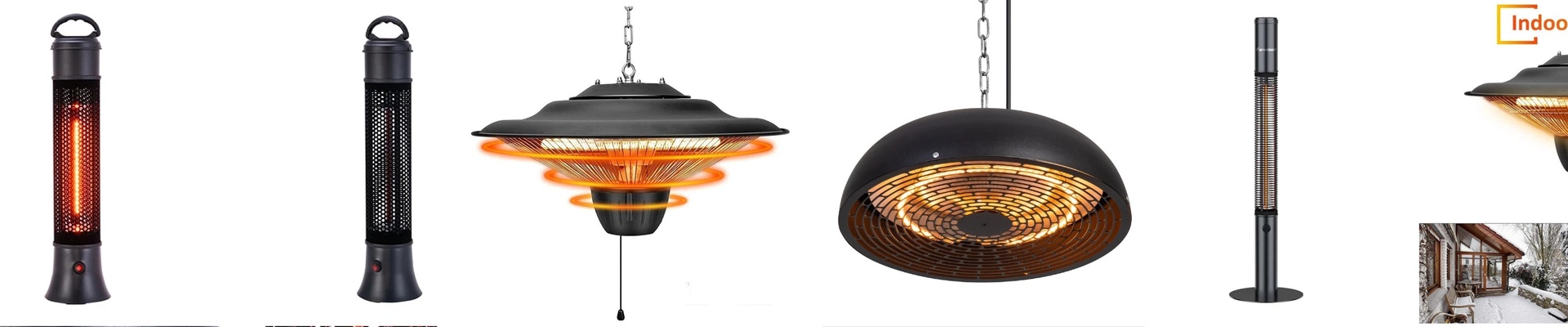
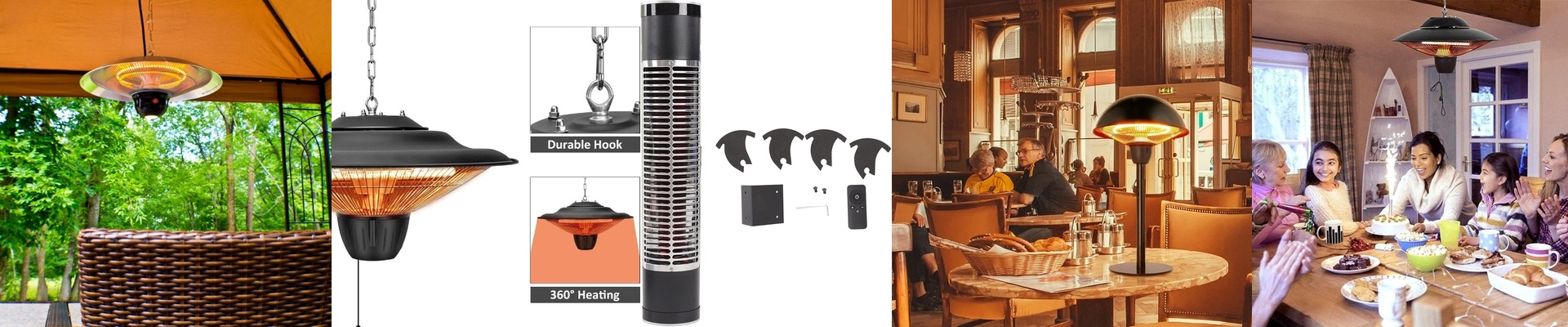

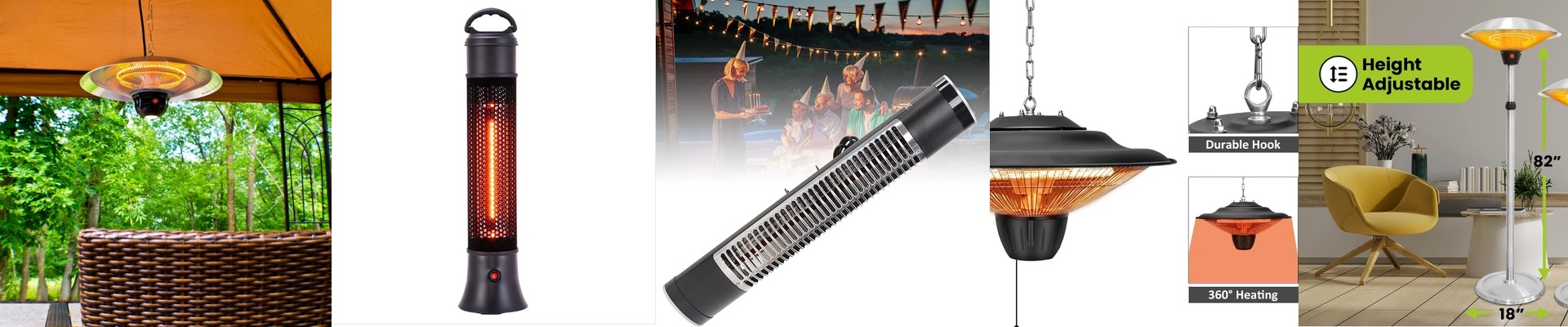
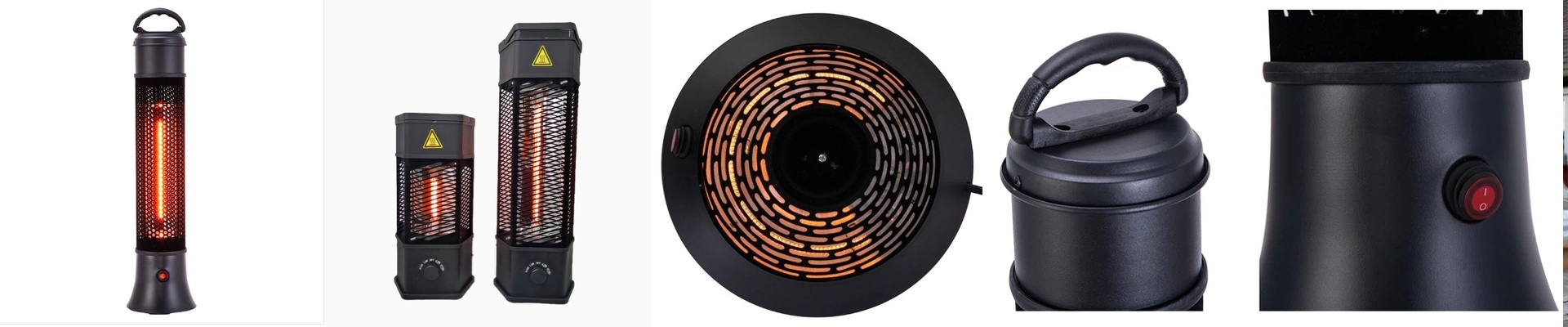

Why Your Gazebo Heater Keeps Dying (and How We Fixed It)
If you’ve ever bought a 1500W ceiling heater for your gazebo, you know the drill. It works great for a few months, and then—bam. It just stops. Most people think the heating element burned out. But that’s rarely the case. The real culprit is usually tucked away where the lead wires meet the quartz tube.
The heat is the enemy
Here is the thing: at 1500W, those connection points get incredibly hot. A lot of cheap heaters just use basic glue or loose crimps to hold everything together. After a few weeks of heating up and cooling down, that insulation gets baked. It turns brittle. It cracks. Then it just flakes away. Once that protection is gone, you get a short circuit. That’s why so many budget heaters are basically disposable after one season. It’s frustrating, and honestly, it’s a waste of money.
A better way to seal the deal
We decided to do things differently. Instead of relying on glue, we use high-temperature ceramic-glass seals. Think of it as a permanent, airtight lock. It keeps moisture out and stops oxygen from sneaking in and eating away at the internal filaments. This is a big deal if your heater is sitting in an open-air gazebo. Between the humidity and the wild temperature swings, your wiring takes a beating. A proper seal means the connection actually holds up when you’re cranking it to full power on a freezing night.
A few things to keep in mind
There is a trade-off, though. Because these seals are heavy-duty, the lead wires are a bit stiffer. **Don’t bend them at sharp angles.**If you kink the sealed section during installation, you might crack the bond between the quartz and the metal. Just give them a little breathing room. Also, we spec these for 220-240V grids. This keeps the 1500W output steady without stressing the circuitry. Just make sure your gazebo’s wiring can handle a continuous high-amperage load. You don’t want to be tripping breakers right when the party is getting started.