
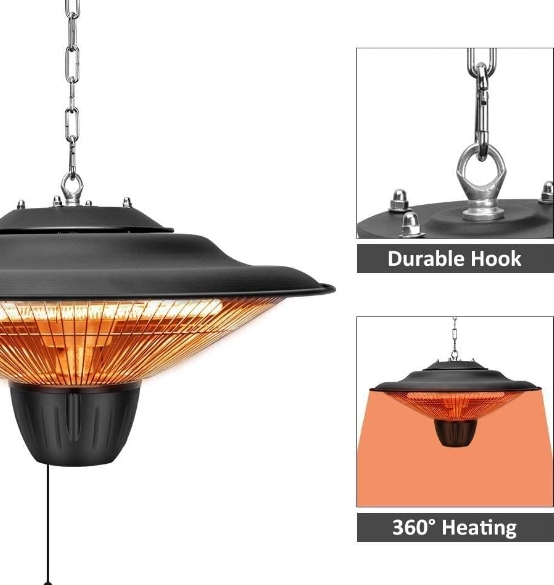
Why You Can’t Mess Around With Bathroom Heater Quartz
Bathrooms are basically torture chambers for heating elements. You’ve got steam everywhere, random water splashes, and temperatures that swing from freezing to scorching in minutes. If you put a standard quartz tube in that environment, you’re asking for trouble. Imagine a red-hot tube getting hit by a stray drop of cold water.**Crack.**It shatters. Just like that.
The Deal With “Explosion-Proof” Quartz
We use a specific kind of explosion-proof quartz because it actually knows how to handle that stress. It doesn’t freak out when the temperature drops suddenly. But here is the real peace of mind: if a tube does happen to fail, it doesn’t send sharp, dangerous shards flying across the room. Instead, it breaks into small, blunt pieces. It turns a potential disaster into a non-event.
What’s Actually Happening Inside
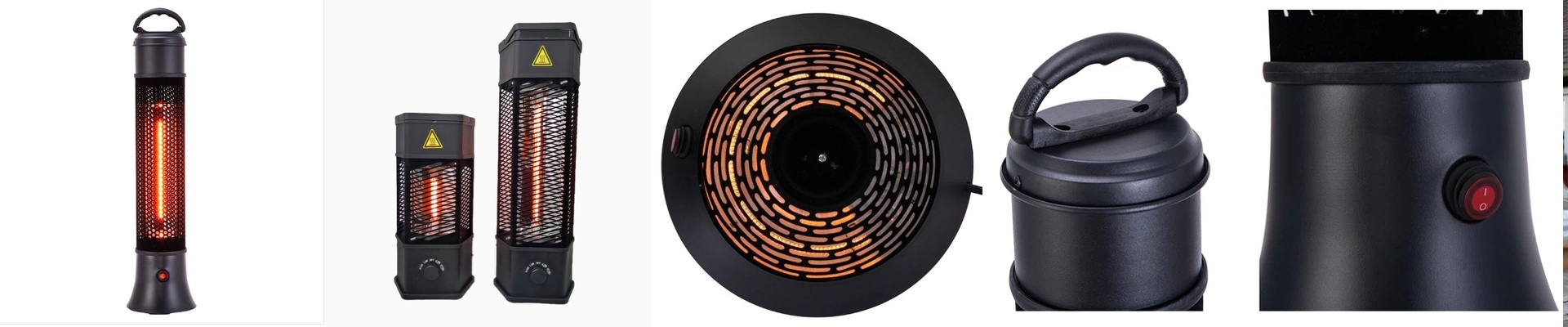
Most of these heaters use short-wave infrared. Think of the quartz tube as a protective shell for the tungsten filament. It keeps the bad stuff out but lets the heat beam right through to warm you up. We obsess over the purity of the quartz. Why? Because cheap stuff clouds up over time, and once it gets cloudy, you lose that heat. And then there’s the seal. If the connection between the quartz and the end caps isn’t perfect, moisture creeps in. That’s a death sentence for the filament. We use high-temp adhesives and precision fits to make sure the inside stays bone-dry.
A Few Things to Keep in Mind
Now, these tubes are tough, but they aren’t magic. The more wattage you push, the hotter the tube gets. And the hotter it gets, the more it’ll react if a cold splash hits it. If you’re going with a high-density heater, give it some room to breathe. If the housing is too tight, heat builds up in the chassis and starts frying your wiring and connectors. One last thing—please, just use a dedicated GFCI circuit. When you’re mixing high current with bathroom moisture, it’s the only way to stay safe.