
Stop Breaking Your Glass: A Better Way to Handle Heat
If you’ve spent any time on a glassware production line, you know the nightmare of the transition from forming to annealing. It’s where most of your scrap happens. One minute everything is fine, and the next, you’ve got a pile of shattered glass. Why? Because glass is temperamental. Hit it with too much heat too fast, and it cracks. Let it cool too slowly, and you’re left with internal stress that’ll kill the piece later. We use uniform annealing infrared systems to fix this. It’s basically a way to bridge that gap without the heartbreak of broken product.
Why speed actually matters
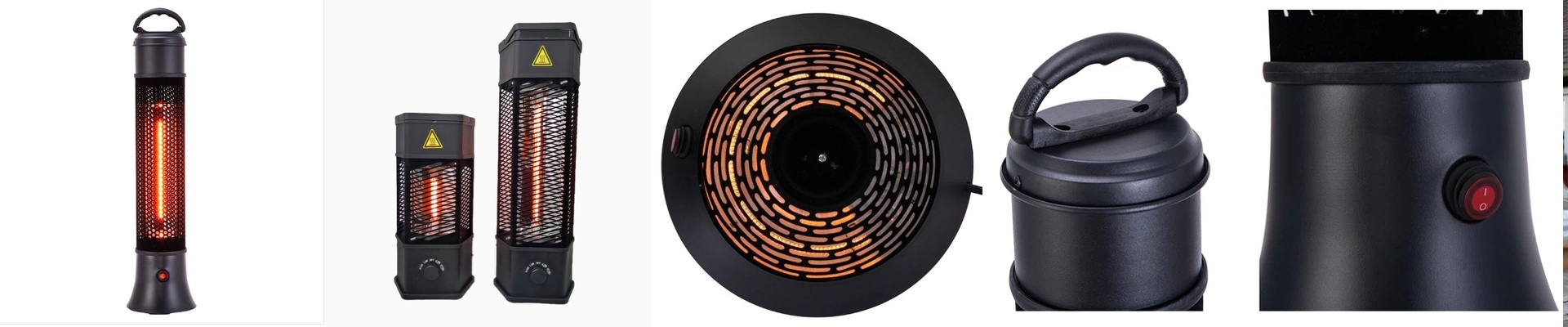
To stop thermal shock, you have to be able to change how much heat you’re pumping into the glass—and you have to do it now. That’s why we use shortwave infrared lamps. They don’t have much “thermal mass,” which is a fancy way of saying they don’t hold onto heat. Unlike those old resistive heating elements that take forever to warm up, these lamps hit full power in milliseconds. When you pair them with a high-frequency SCR or a PWM controller, you get instant control. You can ramp up the temperature in small, careful stages. This keeps the surface and the core of the glass expanding at the same pace, so nothing snaps.
Getting the heat where it belongs
The goal is a perfectly even heat profile. We use high-wattage quartz lamps because they pack enough punch to penetrate the glass quickly. It’s a concentrated burst of energy. It hits the material hard, but it doesn’t bake your conveyor hardware into a crisp. But a word of caution: watch your power supplies. When you’re cycling high-wattage lamps this fast, it creates a lot of electrical noise and heat inside your control cabinets. If your cooling fans aren’t up to the task, your controllers will just trip and shut everything down.Don’t skimp on the fans.
The trade-off
Look, nothing is perfect. Fast-response IR is a precision tool, but that intensity comes at a cost. These lamps don’t last forever. You’ll notice the output dipping slowly over time. To keep your annealing curve consistent and your scrap rate low, we suggest swapping them out every 3,000 to 5,000 hours. It’s a small price to pay for not staring at a bin full of broken glass.