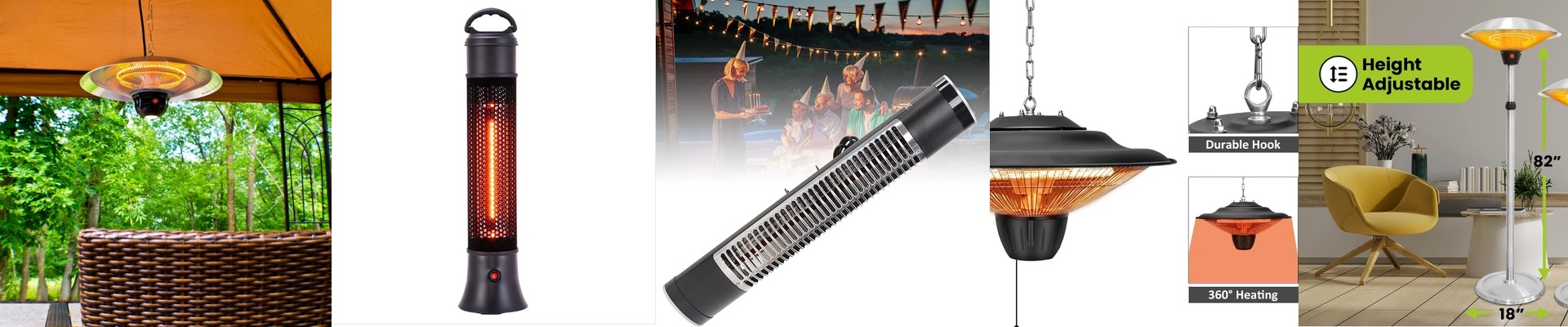
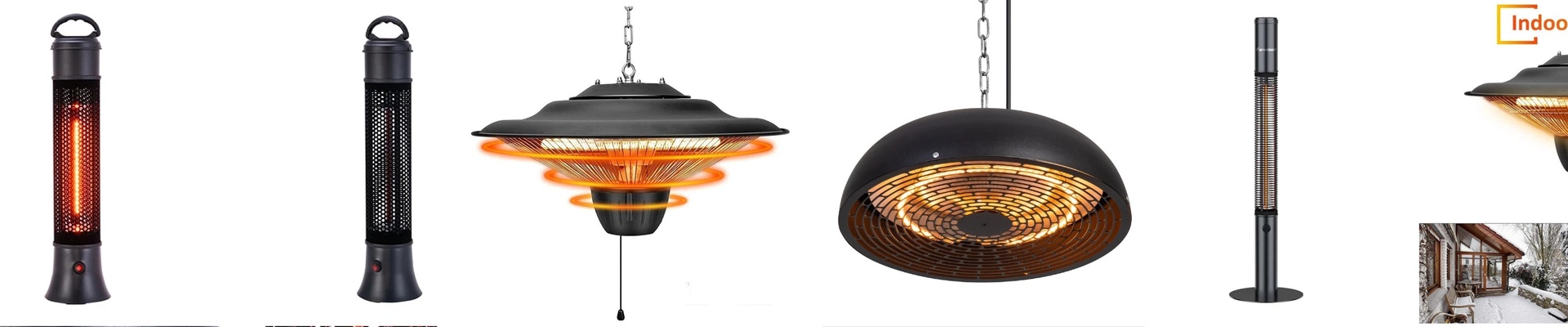


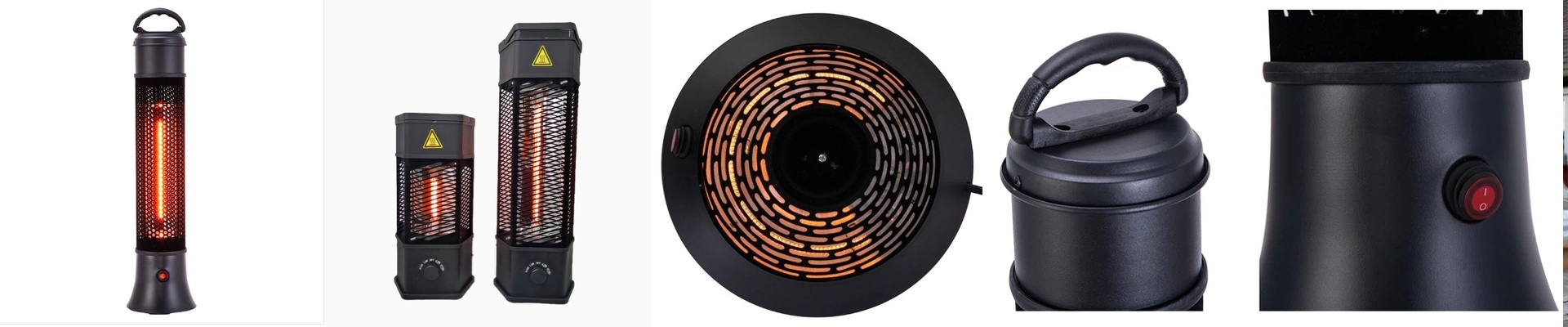
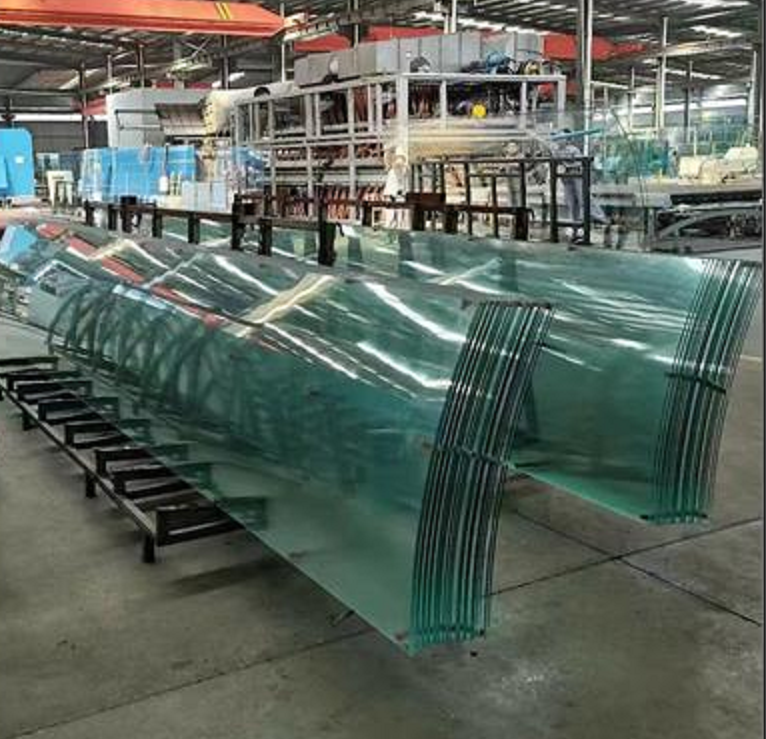
On the line, a glass screen protector heater only pays off when the temperature curve stays steady and the thermal field is even. Throw in uneven heat, and you’ll start seeing stress marks, micro-fractures, and yield loss that don’t show up until after coating or lamination. We built this unit for that reality, because at the end of the day, cycle time, repeatability, and uptime write the check for cost per piece. What actually matters under the hood We run short-wave infrared quartz emitters for fast, direct radiation with low thermal inertia. Match the emitters to the glass emissivity, and the energy goes where it needs to—into the substrate—without dumping heat into the surroundings. The heater body holds the target plane within ±2°C across the active area, which keeps thermal gradients down and stops warp from sneaking in during preheat. Control is PID with SSR drive, so response is immediate and drift stays in check. The specs are straight from the shop: 240 V or 400 V input, power matched to the process window, and standard mounting centers so it drops right in on the common screen protector laminating and coating lines. Why this fits the line, not just the brochure Screen protector runs are fast, and the window for flatness and edge quality is tight. This heater cuts warm-up, holds setpoint cycle after cycle, and snaps back to temperature after loading. The payoff is fewer rejects from thermal shock, consistent adhesion in coating, and lamination flow that behaves itself. Energy use drops, too, because the heater spends less time idling at high power and more time in steady state. What to watch on install and in the long run Installation is straightforward, but the heater performs best when the gap to the glass is controlled and the reflector array stays clean. Reflectivity falls off fast with dust and handling, so a scheduled wipe and alignment check keep uniformity where it should be. The quartz elements are tough, but they don’t like voltage transients—clean power and stable contactor life extend service intervals and protect output stability.