

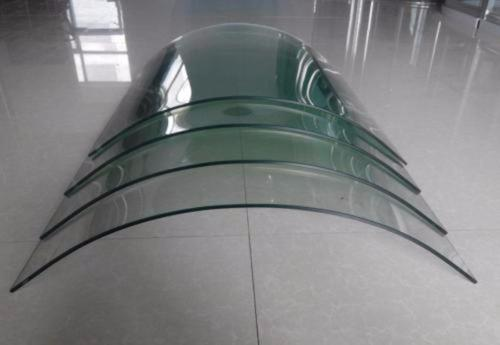
On the glass line, heat isn’t just energy—it’s the process. If the furnace profile drifts during tempering, you’re dealing with bow, warp, or fracture. If the bending station runs hot on one edge, you spend your day chasing optical distortion. And when coatings cure unevenly, adhesion and durability fall off fast. We built a laser temperature gun for glass so you can keep thermal control honest, cycle after cycle, with repeatable, non-contact measurement. What matters, technically This is a purpose-built infrared temperature gun, tuned for glass processing: wide temperature range, fast response, and stable handling of emissivity. It reads surface temperature without touching, so you can scan moving glass, check multiple zones across the furnace belt, and verify oven setpoints without stopping the line. The optics are aligned for small-to-medium spot targeting, and the housing is made for the shop—heat, dust, and vibration. Power and interface options are chosen to drop into existing control panels and integrate with PLC feedback for closed-loop heating. Here’s why it holds up on the floor. Tempering needs uniform heating to control thermal stress; this gun lets you confirm the furnace profile actually matches the setpoint map, which cuts scrap and rework. On bending, you catch hot spots and cold edges early, so shape stays consistent. For coating drying and lamination curing—whether you’re running EVA, SGP, or PVB—you get direct confirmation the glass surface hits the required temperature, supporting consistent crosslink and adhesion. On insulating glass sealing, it verifies edge heating uniformity, so the seal profile stays repeatable. The payoff is fewer temperature-related defects, faster changeovers, and throughput that doesn’t swing as much. A few practical notes. Surface emissivity changes with glass type and coating, so calibrate for your material stack—clear float, low-E, and coated products can read differently. Measurement is line-of-sight, so keep the lens clean and aligned, and avoid steam, heavy dust, or reflective glare that can skew readings. Installation is straightforward, but the gun performs best when mounted in a stable position with a clear view of the target zone. Plan for routine verification and periodic recalibration so the data stays trustworthy on the line.