
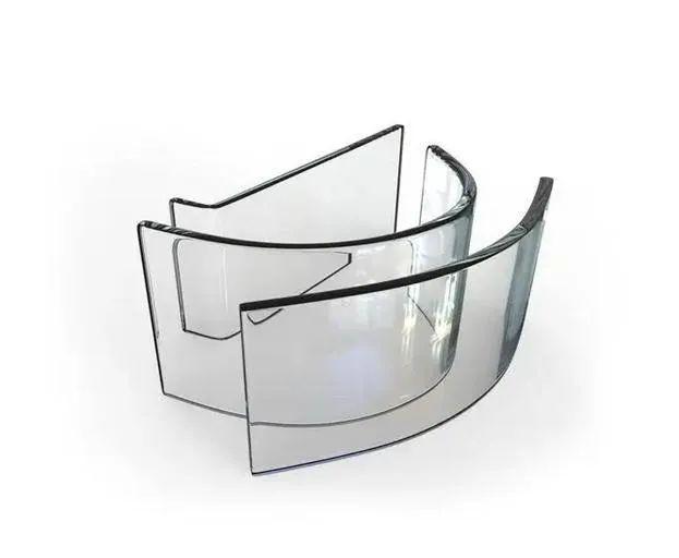
On the line, a printed panel sits, waiting for the ink to set. The clock keeps ticking. If the dryer isn’t dialed in, you’ll see pinholes, uneven adhesion, or thermal stress that shows up later as breakage. We built our Screen printing dryer for glass to stop those failures where they start. What matters under the hood We run short-wave NIR emitters with fast response and tight spectral control, so the heat hits the ink and coating first—not the bulk glass. That gives you a stable, uniform thermal field across the print area, with less edge-to-center drift. In practice, you get consistent cure without scorching low-emissivity coatings. The system is modular: 240V/480V options, a compact footprint, and standardized mounting so it drops into existing conveyor and oven cells. Output is adjustable in steps, so you can match dwell time and temperature to each ink system without overshoot. Why this matters on a glass line Glass processing is a chain—bending, tempering, coating, lamination, and insulating glass assembly. If drying drags, everything after it slows down. Our dryer cuts cycle time while keeping the ink tack-free and print registration intact. It also supports the process windows on tempering and coating lines, where thermal history directly affects warp, bow, and optical distortion. Energy use drops because NIR delivers heat on demand—no long warm-up, and less waste heat bleeding into the plant. The practical details NIR is line-of-sight, so shadowing from fixtures or thick print dams has to be planned around in the layout. We size the emitter array and conveyor speed to cover the full print area, but you still need to confirm clearances and substrate reflectivity for your specific inks and glass coatings. Installation is straightforward, but it still needs a stable power feed and controlled cooling to keep the emitter window temperature in range. Set it up right once, and the line runs with fewer stops.