

Why Fast-Response IR Lamps are a Lifesaver for Glass Inspection
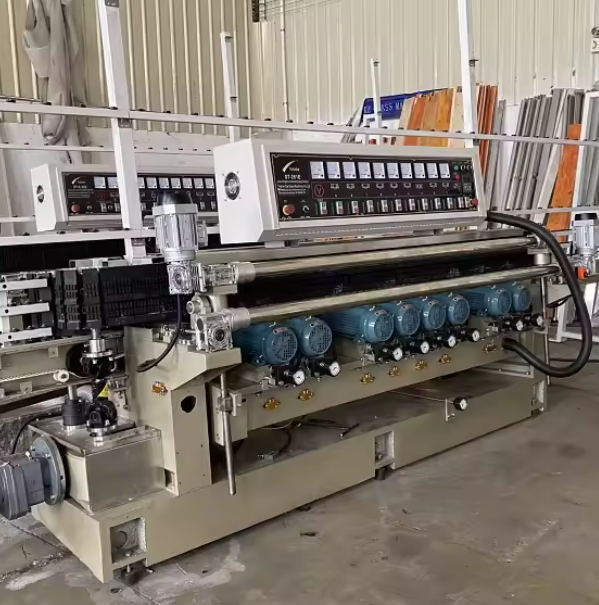
In a high-speed glass plant, the jump from forming to inspection is usually where things get messy. It’s a thermal bottleneck. If that glass cools down too fast or unevenly, you get internal stress. Then you get cracks. Or worse, the glass just spontaneously fails. We use fast-response shortwave IR lamps to handle the annealing right there on the line. No stopping, no waiting.
The secret to that instant heat
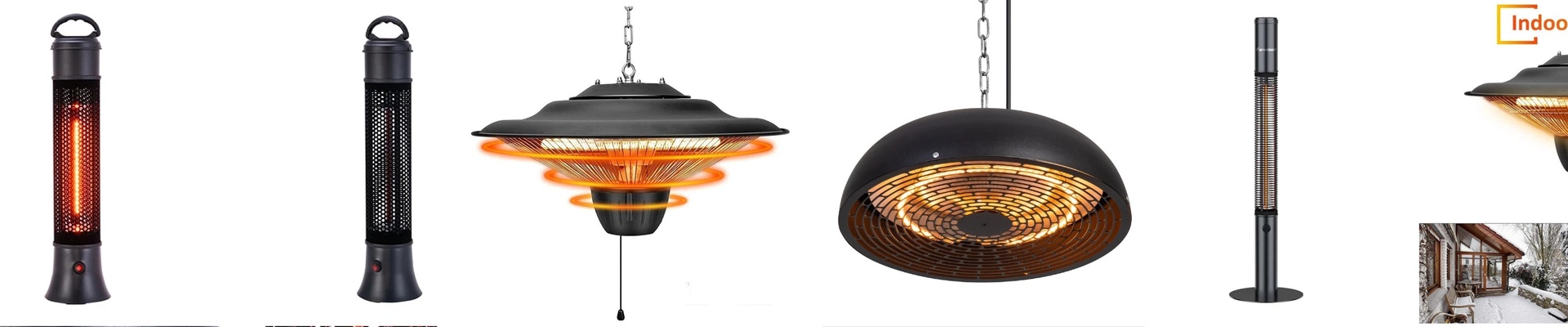
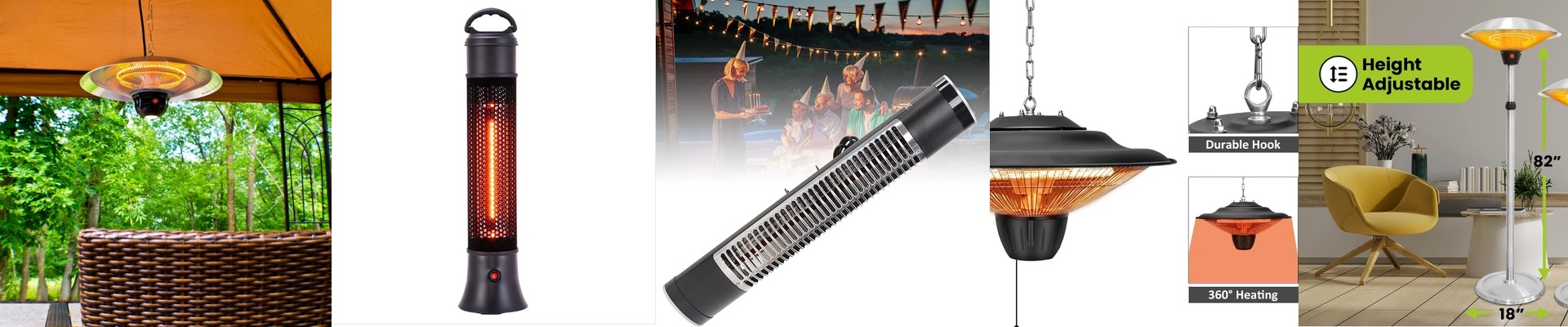
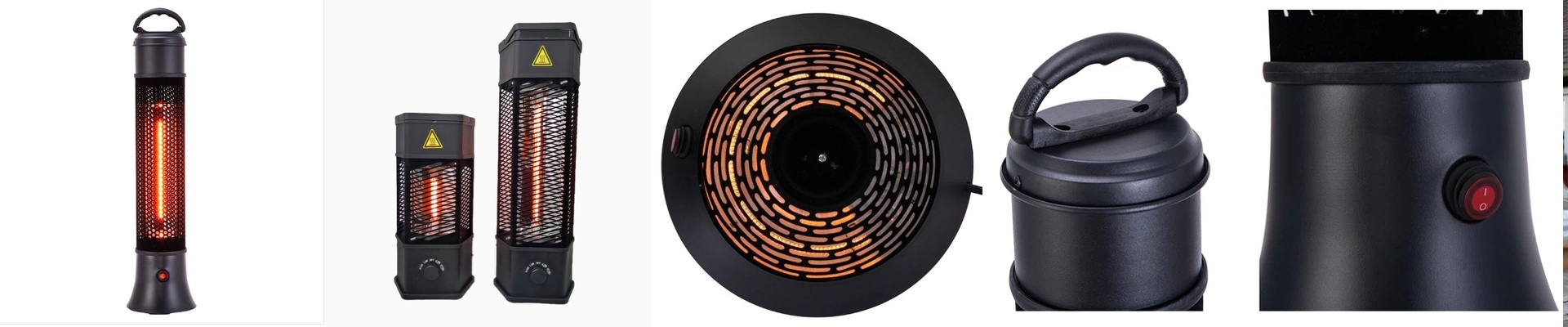
Here is the thing about standard resistive heaters: they’re just too bulky. They have way too much thermal mass, meaning they take forever to heat up and they lag when you try to make a change. Shortwave IR lamps are different. They don’t rely on moving air; they use radiation. The heat hits the glassinstantly. This is huge because it means if your line speed changes, you can tweak the temperature profile in real-time. You get total control over the annealing point without needing a massive, space-eating oven.
The gritty details of high-density heating
To get the kind of heat you need for online annealing, we pack a lot of wattage into small quartz envelopes. It creates a high-intensity zone that steadies the glass temperature before it even touches the inspection sensors. But you have to be careful with your power. These tubes pull a lot of current. If your wiring isn’t up to the task, you’ll get voltage drops, and your heating consistency will go right out the window. Also, these things gethot. Really hot. Make sure your housing has plenty of airflow, or you’ll watch your reflectors warp over time.
Keeping the line moving
The best part about putting these lamps right in the inspection stage? You can stop batch-processing. The heat is applied locally and immediately, so the production flow just stays fluid. And because we know hardware eventually fails, we design the mounts for quick swaps. When a lamp burns out, you just pop a new one in and get the line moving again in a couple of minutes. Simple.